
Featured
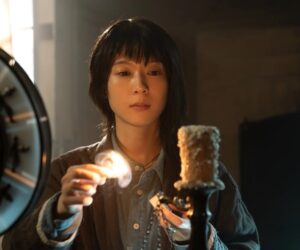
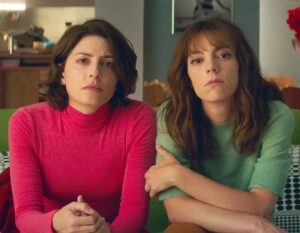
Dave Boyle’s atmospheric ghost story raises intriguing questions about sisterhood and the afterlife, then buries them beneath slasher-film carnage.
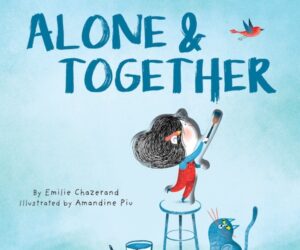
These new children’s books explore different aspects of fall—starting school, understanding yourself, and Indigenous storytelling.
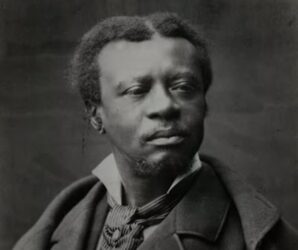
A spirited recording, led by two outstanding sopranos, makes a persuasive case for the earliest surviving opera by a Black American composer—and for its long-neglected creator.
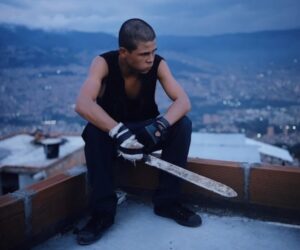
Stillz’s “Barrio Triste” transforms the dangers of life in Medellín into a haunting journey through cosmic horror, media distrust, and adolescent fear.
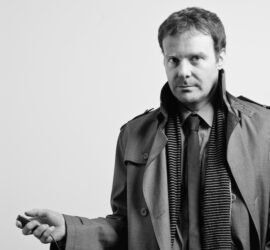
In this novel, a brilliant European jurist, an addictive little blue pill, and an elusive conspiracy yield a dazzling but sometimes exhausting exercise in literary complexity.
Across two October weekends at the Brattle, the expanded 27-film series offers Boston audiences early looks at new work by Lee Chang-dong, Hirokazu Kore-eda, Ryusuke Hamaguchi, Martin McDonagh, Pedro Almodóvar, and more.
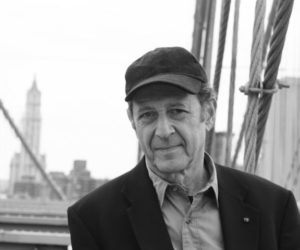
ECM New Series’ reissue of the composer’s seminal early recordings restores their bite, rigor, and uncommon spiritual warmth.
Book Review: The King of the Cats Returns — Seamus Heaney’s Complete Poems and the Poetry of Justice
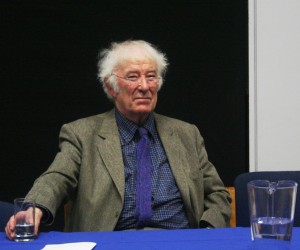
In a monumental new gathering of his work, the Nobel laureate’s poems—of rural labor, private grief, history, and divided Northern Ireland—remain a moral force in a newly fraught moment.
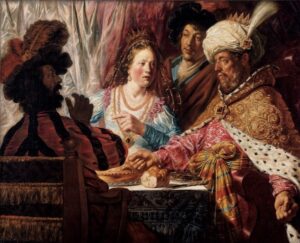
An incisive exhibition traces how Rembrandt, his Dutch contemporaries, and earlier artists remade a biblical story of concealment, power, and survival.
Arts Commentary: The Distance Between Us and the Museum
By Mark Pawlak For a working-class kid from Buffalo who once saw museums as places for other people, a lifetime among Cambridge and Boston collections became an education in class, access, exclusion, and the complicated act of looking. Any Sunday when the weather turns—low gray clouds, steady rain, the threat of snow—my thoughts drift toward…
Read More about Arts Commentary: The Distance Between Us and the Museum