
Music
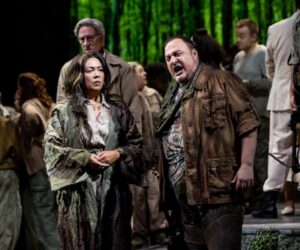
Rossini’s epic arrives at the Emerson Colonial Theatre in a visually audacious, musically potent production that turns a familiar liberation story into a contemporary warning.
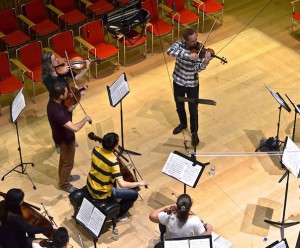
Simone Dinnerstein and A Far Cry brought warmth, virtuosity, and strikingly inventive instrumental color to an expanded version of Bach’s keyboard masterpiece at Jordan Hall.
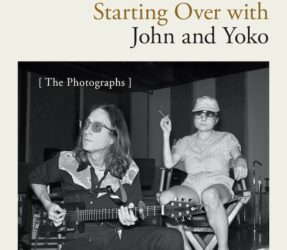
Kenneth Womack’s lively account of Boston photographer Roger Farrington’s 1980 shoot offers a small but captivating footnote to Beatles history.
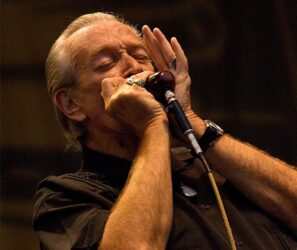
In advance of a rare Fall River appearance, Matthew Stubbs and Cody Nilsen discuss recording with the harmonica master, choosing blues deep cuts, and building a set unlike either artist’s usual show.
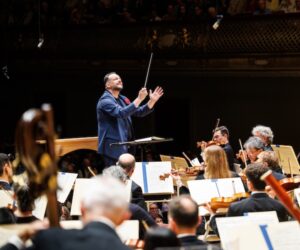
With Yo-Yo Ma and Emanuel Ax on hand—and an audience that repeatedly, rapturously made its feelings known—the Boston Symphony Orchestra’s opening weekend served as both a musical showcase and a public tribute to its departing music director.
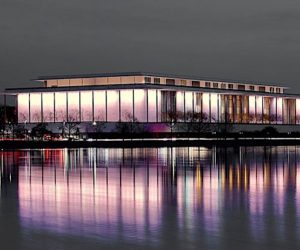
His threatened destruction of the nation’s living memorial to John F. Kennedy exposes not merely an assault on a building, but the petty authoritarianism, civic vandalism, and cultural contempt driving his presidency.
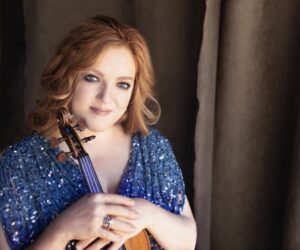
With Matthew Hagle at the piano and a storied 1742 Guarneri in hand, violinist Pine found both familial warmth and dramatic urgency in three Brahms sonatas.
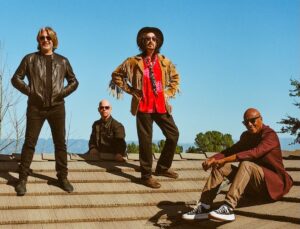
The former Heartbreaker brings a deepening songbook, a crack band, and new material from “Mission of Mercy” to Beverly’s Cabot.
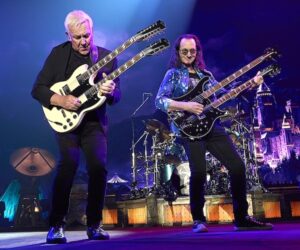
At TD Garden, Geddy Lee and Alex Lifeson honored Neil Peart’s legacy without trying to replace him, as Anika Nilles powered a revitalized, emotionally resonant version of Rush through two distinct marathon sets.
Film Music Commentary: Why “The Odyssey” Should Have Been a Silent Film
Christopher Nolan’s high-tech Homer struggles to achieve epic grandeur; Fritz Lang’s “Die Nibelungen,” with its stylized images and Gottfried Huppertz’s symphonic score, shows what modern spectacle leaves behind.
Read More about Film Music Commentary: Why “The Odyssey” Should Have Been a Silent Film