
Commentary
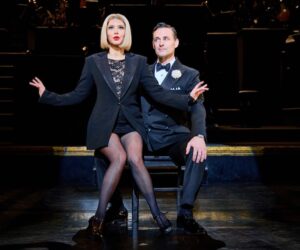
Hedge-fund logic, executive excess, celebrity casting, and algorithmic ticket prices are remaking nonprofit arts groups and Broadway alike
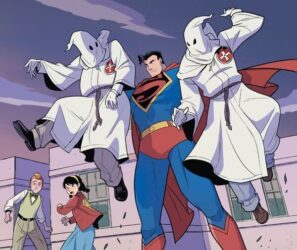
William Nicholas Love’s punch heard round the internet belongs to a long comic-book history of fighting homegrown fascism—from Captain America to “The Clan of the Fiery Cross.”
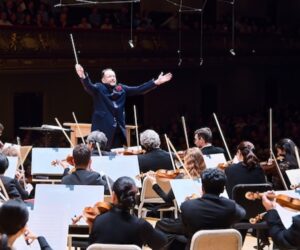
The BSO avoided a strike and greeted its music director warmly, but an oddly programmed opening night culminated in a deeply disappointing Brahms Fourth.

Christopher Nolan’s high-tech Homer struggles to achieve epic grandeur; Fritz Lang’s “Die Nibelungen,” with its stylized images and Gottfried Huppertz’s symphonic score, shows what modern spectacle leaves behind.
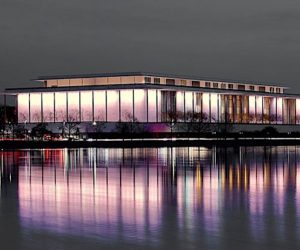
His threatened destruction of the nation’s living memorial to John F. Kennedy exposes not merely an assault on a building, but the petty authoritarianism, civic vandalism, and cultural contempt driving his presidency.

King Richard’s Faire, which is New England’s largest and oldest medieval-themed entertainment venue, serves as an intriguing case study of countercultural expression and commercialized theatrical spectacle.

His galvanizing presence left an enduring mark on Boston’s musical culture.
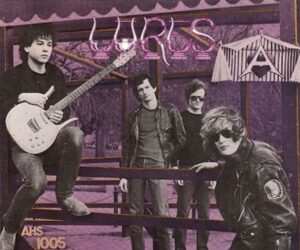
The Lyres frontman was obsessive, exacting, and unforgettable.
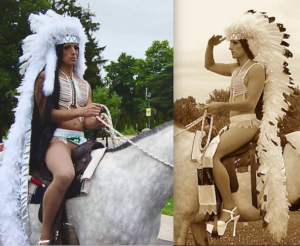
In Boston and Hanover, new works by Alan Michelson and Kent Monkman challenge the myth of the vanishing Native—and the Cyrus Dallin bronze that enshrined it.
Arts Commentary: The Distance Between Us and the Museum
By Mark Pawlak For a working-class kid from Buffalo who once saw museums as places for other people, a lifetime among Cambridge and Boston collections became an education in class, access, exclusion, and the complicated act of looking. Any Sunday when the weather turns—low gray clouds, steady rain, the threat of snow—my thoughts drift toward…
Read More about Arts Commentary: The Distance Between Us and the Museum