
Books
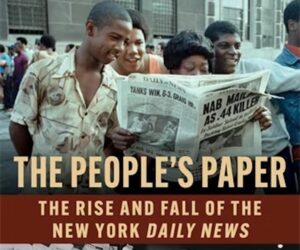
Founded as a sensational tabloid with right-wing, racist sensibilities, the city’s white working-class voice tried to go upscale — and lost to Rupert Murdoch’s sleazier competitor.

An appreciation of F. Scott Fitzgerald’s most personal novel, in which a marriage’s collapse becomes a searching exploration of love, ambition, and the courage to begin again.
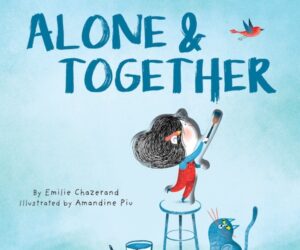
These new children’s books explore different aspects of fall—starting school, understanding yourself, and Indigenous storytelling.

In this novel, a brilliant European jurist, an addictive little blue pill, and an elusive conspiracy yield a dazzling but sometimes exhausting exercise in literary complexity.
Book Review: The King of the Cats Returns — Seamus Heaney’s Complete Poems and the Poetry of Justice

In a monumental new gathering of his work, the Nobel laureate’s poems—of rural labor, private grief, history, and divided Northern Ireland—remain a moral force in a newly fraught moment.

In “The Disciple: A Wagnerian Tale of the Gilded Age,” the cultural historian and novelist resurrects Wagner’s American apostle—and a progressive, populist musical culture that New York has largely forgotten.
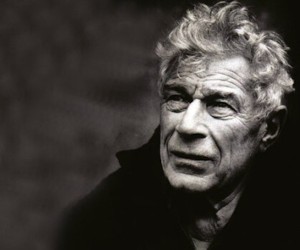
Tom Overton’s lively, intimate biography follows the critic, novelist, artist, activist, and lifelong insurgent through a career that remade the ways we see.

Kelly Anderson’s “The Wild Beneath” finds beauty in the eerie aftermath of disaster, where grief settles everywhere and the sea reshapes what its survivors believe is real.
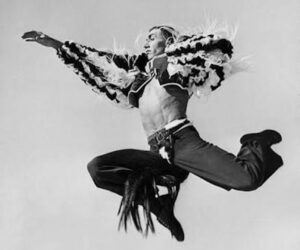
“Jazzed” makes a persuasive case for Jack Cole’s artistic importance, even as its overly admiring portrait evades some of his darkest behavior.
Arts Commentary: Superman, Spider-Man, and the American Art of Slugging Nazis
William Nicholas Love’s punch heard round the internet belongs to a long comic-book history of fighting homegrown fascism—from Captain America to “The Clan of the Fiery Cross.”
Read More about Arts Commentary: Superman, Spider-Man, and the American Art of Slugging Nazis