
Featured

Ed Perkins’s documentary finds a fascinating story in America’s 2016 creepy-clown craze, then buries it beneath sweeping analogies and frantic editing.
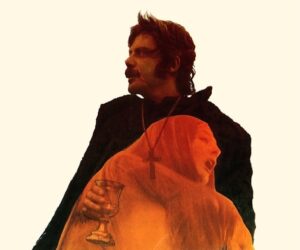
The provocative 1971 study of politics, religion, and sex in medieval France is back on the big screen—with its long-censored footage reinstated.

Nathan Fielder’s “You Can See Everything” turns the Theranos saga into a revelatory, Philip K. Dickian inquiry into artifice, identity, and truth.
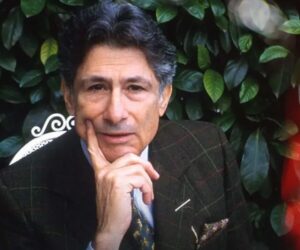
Two compelling documentaries at the Boston Palestine Film Festival trace Edward Said’s intellectual awakening and the unfinished search for justice for Alex Odeh.
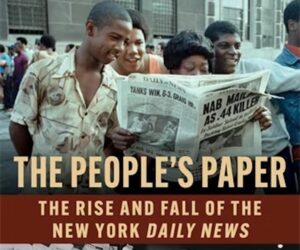
Founded as a sensational tabloid with right-wing, racist sensibilities, the city’s white working-class voice tried to go upscale — and lost to Rupert Murdoch’s sleazier competitor.
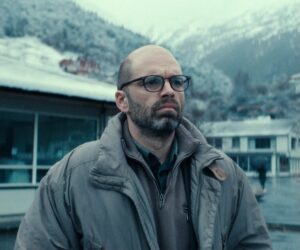
Cristian Mungiu’s Palme d’Or winner asks whether understanding others requires seeing their side—or questioning our own.
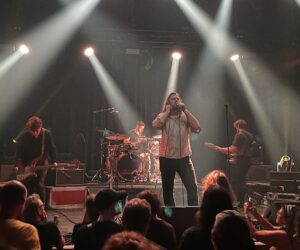
The Dublin post-punk experimentalists bring their dark new album to Brighton Music Hall, with Alan Duggan reflecting on the group’s evolving creative process, headphone-oriented textures, and his personal connection to Boston.

Asio Liu’s documentary uncovers the forgotten history of unlisted Vietnamese “boat people” refugee camps in the Penghu Islands in the Taiwan Strait following the end of the Vietnam War in 1975.
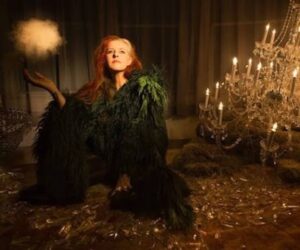
Ahead of two Massachusetts shows with Dan Bejar, Neko Case talks about producing “Neon Grey Midnight Green,” writing her memoir, composing a “Thelma and Louise” musical, and the toll of streaming on working musicians.
Recent Comments