
Music
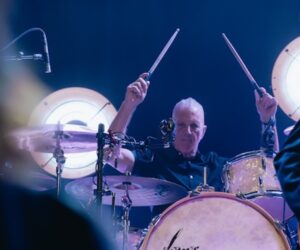
Founding Mavericks drummer Paul Deakin reflects on loss, reconciliation, and a summer tour devoted to keeping Paul Malo’s songs alive.
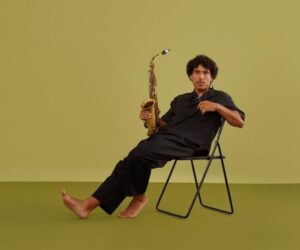
Jonathan Suazo’s exhilarating, roots-conscious celebration of Puerto Rican and Dominican traditions is the standout, while Ray Obiedo assembles an expertly chosen cast for a consistently engaging, groove-rich set.
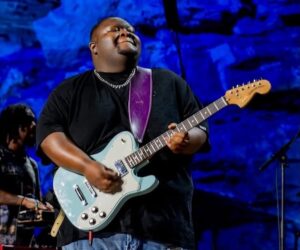
At 52 Sumner, the 27-year-old guitar virtuoso and his crack band moved freely among blues, soul, funk, R&B, and rock — making a compelling case that Ingram is ready for much larger rooms.
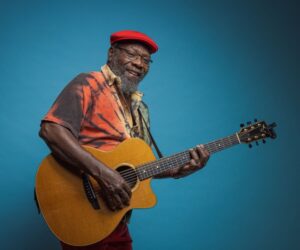
Ahead of a run of shows with Boston’s Naya Rockers, the veteran Jamaican musician looks back on the Gladiators, Lee “Scratch” Perry, political “sleepwalking,” and a career still driven by curiosity.
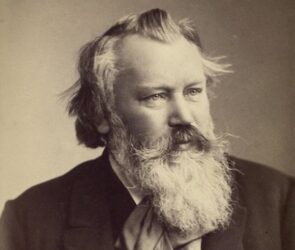
John Worthen’s biography explores the composer’s lifelong devotion to Clara Schumann and its role in shaping his music.
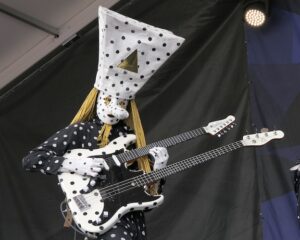
Kamasi Washington, Herbie Hancock, Flea and a lively new generation showed how the festival is stretching jazz’s boundaries without losing its center.
On “Bring on the Psychics,” the post-hardcore veterans sound urgent, thoughtful and surprisingly rejuvenated, balancing punishing riffs with hard-won wisdom.
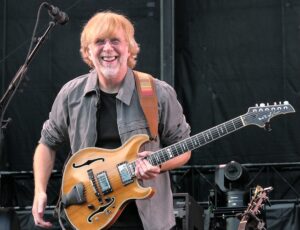
The weekend stand in Boston offered crowd-pleasers, deep cuts, and one of Phish’s most startling bust-outs in decades.
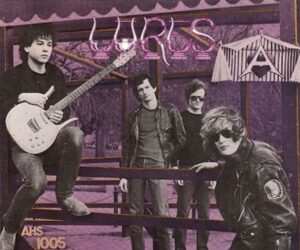
The Lyres frontman was obsessive, exacting, and unforgettable.
Arts Remembrance: The Musical Mission of Joel Cohen
His galvanizing presence left an enduring mark on Boston’s musical culture.
Read More about Arts Remembrance: The Musical Mission of Joel Cohen