
Review

Director Kiyoshi Kurosawa transforms a revenge thriller into a chilling examination of guilt, conspiracy, and the violence that permeates modern life.

Colin Kidd’s lively history follows universities in Oxford and Cambridge from postwar confidence through rebellion, Thatcherite assault, and a troubling loss of institutional nerve.

On its Cantaloupe Music debut, Phaedra Ensemble enters Monk’s strange, haunting sound world—where strings, reeds, voices, and silence dissolve familiar ideas of classical music.
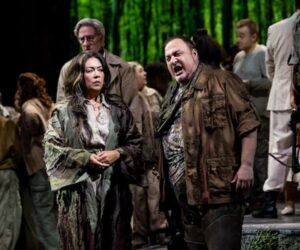
Rossini’s epic arrives at the Emerson Colonial Theatre in a visually audacious, musically potent production that turns a familiar liberation story into a contemporary warning.

Lili Reinhart charms as a cancer-curing Stanford Ph.D. candidate, but Amazon’s uneven adaptation works best when it follows Olive’s friendship with Anh—not her contrived fake-dating romance.

In this rich collection of essays and introductions, translator and writer Peter Wortsman considers language as an intimate, imperfect act of resurrection—and guides readers toward a varied company of German- and French-language authors.
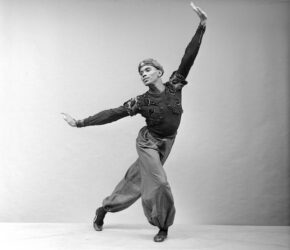
There is no question that this new volume will be the resource that all subsequent historians will turn to when they explore the trajectory of classical ballet’s slow — and not yet completed — choreography towards racial inclusion.

“Edie Arnold Is a Loser” is a divinely idiotic punk-rock Catholic-school comedy: sweet, predictable, outrageous, mildly blasphemous—and infectious.

Yuval Abraham and Rachel Szor’s rigorously constructed follow-up to “No Other Land” uses testimony from Israeli military whistleblowers to expose the systems of surveillance, dehumanization, and moral evasion that shaped Israel’s war on Gaza.

The festival’s strongest films find courage, comedy, and unexpected forms of kinship amid political repression, mortality, war, and the complications of family.

Book Appreciation: “Gulliver’s Travels” at 300 — Small Men, Tech Bro Delusions