
Jim Kates
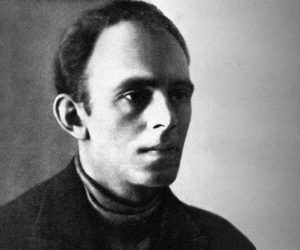
Russian poet Osip Mandelstam’s “ancient language” is rendered into real contemporary poetry in English that succeeds in speaking eloquently to the inner eye and ear.

Translator Dan Veach invites us to “pull up a bench in the mead hall, grab a brew, and enjoy a jazzy new performance.”

Literate people in the state will be familiar with this story, but it may come as a revelation to those whose Mississippi is limited to a cultural Bermuda Triangle on whose sharp angles sit William Faulkner, John Grisham, and Oprah Winfrey.

The strength of Roundabout of Death lies in its credibility, and in a specificity that defies detail.

It is always a pleasure to read the poems of a writer who has an ear for language and an eye for form, a voice of their own, and an interest in a world beyond the reach of their own person.

It is the loss of memories and the meaning of memory that dominate, generating speculations that draw the reader into and through Maria Stepanova’s argument and interpretations.

The Movement works best as a stripped-down, high-speed introduction to the struggle for civil rights, nothing more.

Poet Paul Celan has come to embody in person and in print the agonies of a half century of European culture.

It’s hard to imagine many of Gail Mazur’s poems emerging from anywhere else than from inside Route 128.

In Henri Cole’s best poems, the outside and the inside interpenetrate and merge.
Recent Comments