
Music
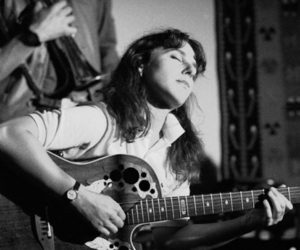
Emily Remler took a particularly clear-eyed view of her work. She didn’t want to be judged by a lesser standard because she was a woman in the overwhelmingly male world of jazz.
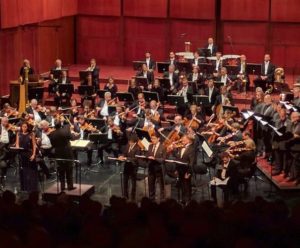
One of Saint-Saëns’s most important operas, Proserpine, has recently been given its world-premiere recording, and the result is a revelation.
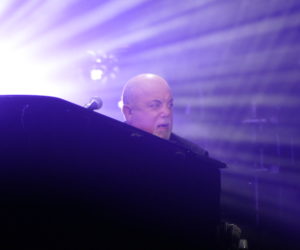
Billy Joel remains in fine voice and his versatile bandmates provided his songs with grace and fire power that fleshed out his casual but punchy onstage prowess.
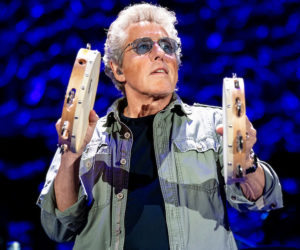
The Who – arguably the third cog in British rock royalty behind the Beatles and the Rolling Stones – delivered more than a nostalgic run through the hits at Fenway Park on Friday.
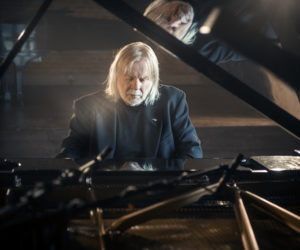
Prog legend Rick Wakeman is grumpy — becoming a septuagenarian means he can no longer party like it’s 1969.
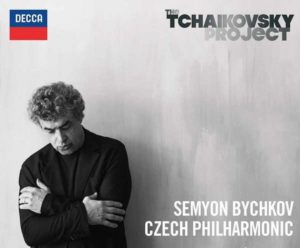
Semyon Bychkov and the Czech Philharmonic do justice to a lot of Tchaikovsky’s orchestral music, while John Eliot Gardiner and the London Symphony play Robert Schumann’s famously-dense orchestrations with clarity. But Michael Stern’s account of The Planets completely lacks mystery.
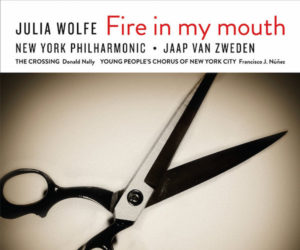
Julia Wolfe’s Fire in my mouth is one of 2019’s most memorable recordings; Donnacha Dennehy’s The Hunger, a meditation on the Irish potato famine of the mid-19th-century, leaves an indelible impression; Derek Bermel’s Migrations is a grand celebration of one of America’s great living composer at the top of his game.
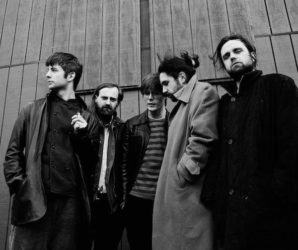
Fontaines D.C. are gonna be big, or at least as big as a real rock band can be these days. And they’re making it all look effortless.
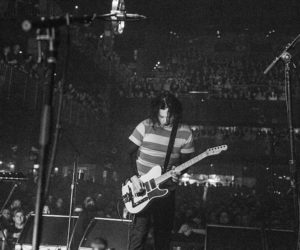
On the same week that heavy prog-rockers Tool scored the No. 1 album in the country, it was great to see Jack White let down his wavy black hair, smile a bunch, and kick out the jams with his buddies.
Rock Feature: Roger Daltrey of The Who — How Can He Afford to Tour?
If there is any theme that runs throughout the story of Roger Daltrey’s life as he tells it, it’s that he has always needed more money to – as he so folksily puts it – “pay the bills.”
Read More about Rock Feature: Roger Daltrey of The Who — How Can He Afford to Tour?