
Music

Age certainly wasn’t an issue in terms of energy. Elvis Costello played for a solid two hours with barely a break, running through four decades of music with a heavy emphasis on the old favorites.

Walter Crockett’s beautiful album is as multifaceted as life itself.

Nico Muhly’s writing in Stranger is of a type of post-Minimalism: often pulsing (or undulating) and rhythmically driven, though anything but harmonically simplistic.
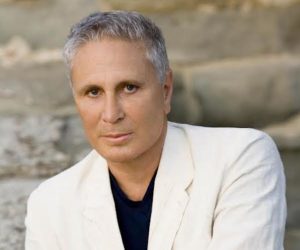
A serving of the essence of the music of John Corigliano: a blend of old and new, radical and traditional that has made him such a singular force in American music over the last fifty-plus years.

Symphonic music wasn’t composer Florence Price’s strong suit. Rather, she was much more at home working in smaller forms or for her own instrument.
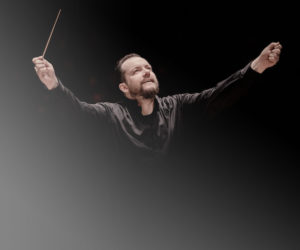
This is a release that showcases many of Andris Nelsons’ strengths, including his strong sensitivity for instrumental colors, blends, and balances. At the same time, it also demonstrates the conductor’s hit-or-miss nature with the core repertoire.
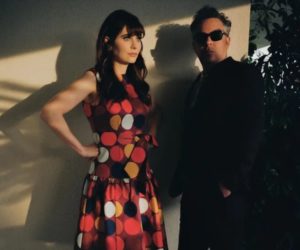
I applaud She & Him’s selection of Brian Wilson tunes while at the same time feeling that some are not well-suited to their loungey, languid pop stylings.
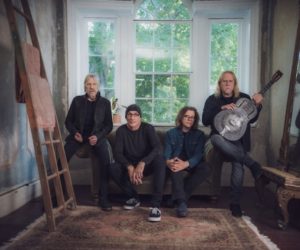
“One of the positives to come out of this whole [pandemic lockdown] experience is that everyone found out what is important in their lives. Those of us who love music realized just how special it is.”

Sultan has a solid lock on my year-end best of 2022 list. Let’s make the world a little smaller and make this album a hit.

Guitarist Eddie Condon quotes a mobster on jazz: “…it’s got guts and it don’t make you slobber.”
Recent Comments