
Commentary
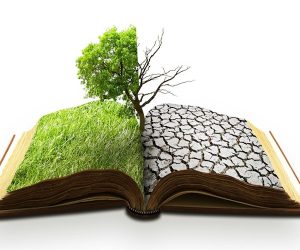
Martin Puchner is stumped because what is called for is a genuinely radical rethink about what role literature and literary studies should play in avoiding the global meltdown to come.
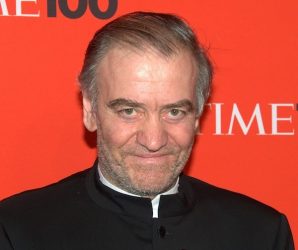
There are times – and we’ve been living in these for several years now – when boldness is required, especially from artists.
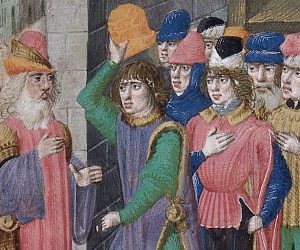
This most timely new translation of Sallust’s The War Against Catiline describes the ancient version of a phenomenon we will recognize instantly: a cold-blooded grift transmuted into terrorism posing as patriotism.
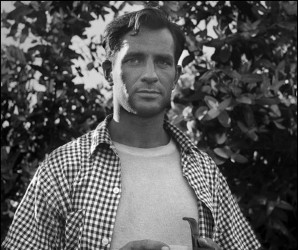
Jack Kerouac would have turned 100 on March 17. A 2014 conversation about the writer with his literary executor, the late John Sampas.

The cognitive architecture approach espoused by the Human Architecture and Planning Institute is applying a welcome new paradigm that responds in a fresh way to the built environment.

In Colombia and Encanto, willful ignorance is the price paid for reassurance.

George Crumb, who crafted some of the 20th-century’s most brazenly original-sounding and haunting music, lived his life and guided his career on his own terms.
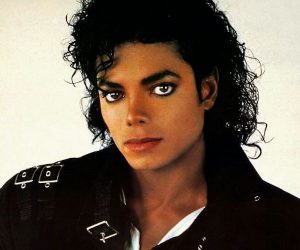
It is natural to believe that there is (or should be) a close connection between the personality and the work.

Remembering film critic Michael Wilmington, a unique guy, and friend, whom I knew for 53 years.
Book Review: “We Uyghurs Have No Say” — When Truth Telling Becomes Subversive
What do the words of an imprisoned Uyghur dissident tell us about the desperate plight of China’s ethnic minorities today?
Read More about Book Review: “We Uyghurs Have No Say” — When Truth Telling Becomes Subversive