
Posts
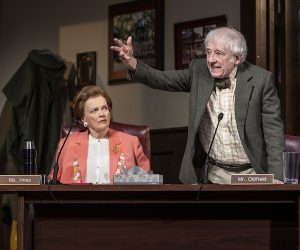
Pulitzer Prize-winner Tracy Letts’s new Broadway play features an intriguing premise and a shocking denouement.

Ben Foster shines in Barry Levinson’s grim tale of love, loss, and hope.
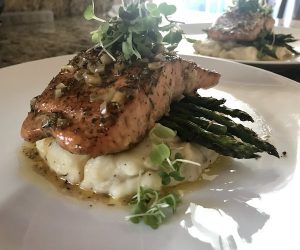
For all of the book’s fascinating revelations, The Lost Southern Chefs leaves the reader with a number of unanswered questions.
Jazz Album Review: Catherine Russell’s “Send for Me” — A Deep Dig into the Jazz of the ’30s and ’40s
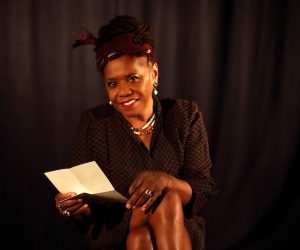
If you’re a fan of the Great American Songbook, but have grown weary of the warhorses, Send For Me is a treat.

After premiering at the New York Film Festival in 1979, this powerful documentary about one of the most dramatic periods in American labor history has been newly restored.
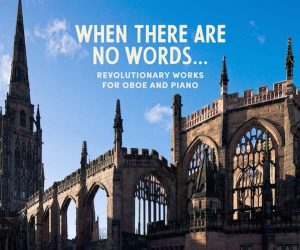
When There Are No Words presents six pieces written between 1936 and 1980 by composers responding (at least seemingly) to contemporaneous political events and situations.

What lifts Resurrection above the standard victim-becomes-avenger routine is a preposterous — in a wonderfully sick way — claim that gives the movie a welcome touch of giallo unpredictability.

Continuous Creation is a deceptively slight book from an incontrovertibly substantial poet.
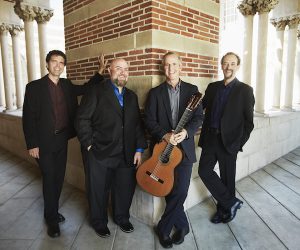
Opalescent’s overriding aspect is celebratory – but from a variety of angles.
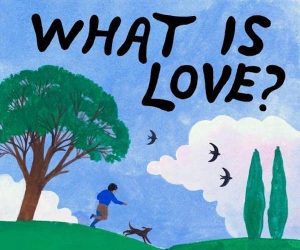
Three looks at love that may help generate some interesting conversations about what love means in the lives of children.
Recent Comments