
Music
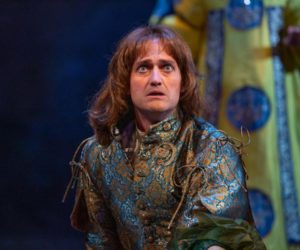
This entertaining opera is a real soap opera, given that it chronicles the fallout of the passionate protagonist’s unrequited love.
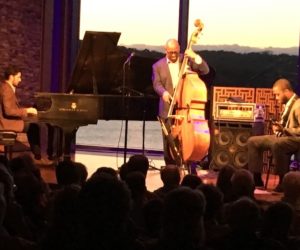
It’s an uncommon pleasure to see band members enjoy themselves the way Tip City did.
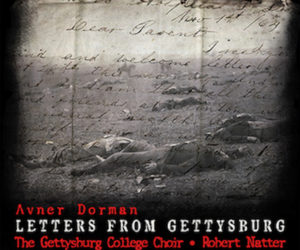
Letters from Gettysburg is an extraordinarily haunting five-movement work that elevates the experience of one man into a memorial to all victims of war.
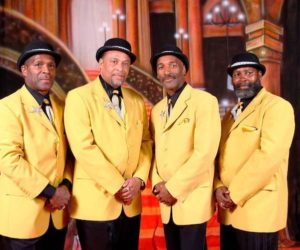
As a capella singers, they have taken their musical ministry — and its repertoire of 500 songs — to streets, subway stations, picnics, community clean-ups, and anywhere else they might find an audience who appreciated a musical message.
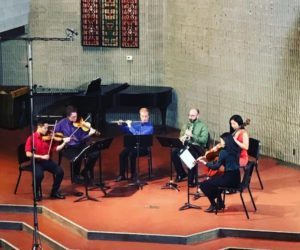
The six pieces hailed from various corners of the country and examined a wide range of expressive and social viewpoints.

François-Xavier Roth’s Mahler offers plenty of personality and ideas; there’s nothing on Mariss Jansons’ disc that’s really worth your time; guitarist Daniel Lippel draws out Steve Reich’s lyrical qualities.
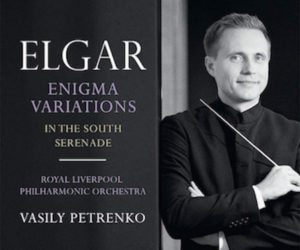
Vasily Petrenko’s Elgar disappoints, Edward Gardner’s Mendelssohn excites, and Alain Lefévre’s Paris is delights.
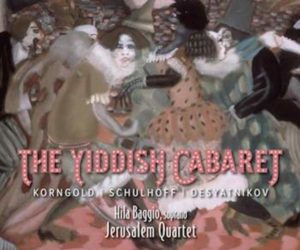
Vladimir Jurowski’s new recording of Rachmaninoff’s Symphony no. 1 is a tightly-played, exciting reading; The Yiddish Cabaret’s only real offense relates to poor labeling; The transcriptions in Russian Masquerade are played with spunk and vitality.
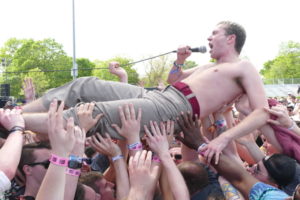
The best (or worst, depending on your preferences) aspect to Boston Calling has become its attention to youth-centric subcultures that have blown mainstream in DJs/electronic music and hip-hop.

With the release of her second solo album, Tal Wilkenfeld has become more than a bass virtuoso: she’s a sensitive songwriter, expressive singer, and capable guitarist.
Theater Commentary: Live Theater—An Incomparable Art Form