
Jazz
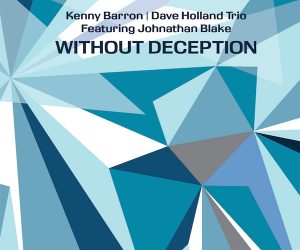
Eschewing ostensible flash and musical sleight of hand, Without Deception is a treat for connoisseurs.

The idea of posting this list is to remind people of what has been lost and hope that it stirs us to preserve what we have left.

Listeners familiar with Lennie Tristano’s earlier work will find there are a few surprises on this disc.
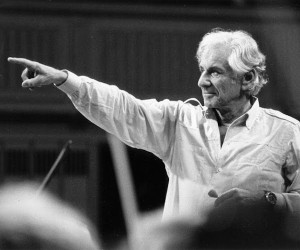
Perhaps the book’s most impressive accomplishment is to make a kind of systematic case for Leonard Bernstein’s larger compositional output.

Composer Steve Lampert wrote “Zigsaw” at the request of saxophonist Noah Preminger, whose group recorded it for one of 2019’s most provocative albums.

The recital of this remarkably self-aware singer was a series of highly literate and musically satisfying mini-dramas.

Overall, Light Blue is an impressive album: its ensembles simultaneously tight and graceful, its solos expressive.

Cécile McLorin Salvant understands that she is heroic.
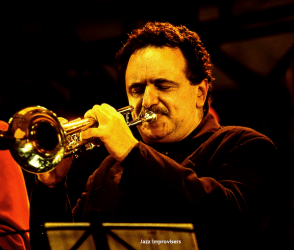
Apart from Claudio Roditi’s musical skill, what stood out was his warmth.
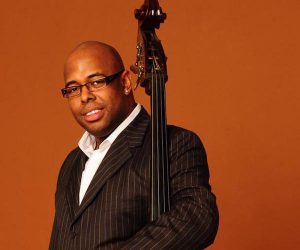
In this disc dedicated to black heroes of the Civil Rights Movement, Christian McBride insists that everyone must be free if any of us is going to be.
Recent Comments