
Jazz
Jazz Albums Review: The ‘Season’ of Newvelle Muri — Adventurous, Sure-Footed, and Strikingly Lyrical
The sound on these discs couldn’t be more clear or precise; the music is low-key, thoughtful, and resolutely melodious.

All three groups in this Blue Note anniversary concert were distinctly different. One was shaded with a hip hop influence, one proffered organ trio jazz-funk and one, all female, had singing as its focal point.
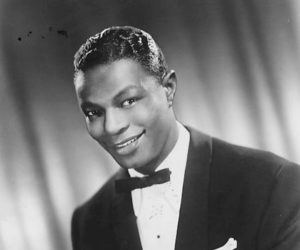
To hear Nat King Cole move from an anonymous member of a backing chorus to a world-class vocal soloist is well worth the time this boxed set demands.

The Bad Plus are telling stories, but the trio doesn’t seem to want to follow wherever they might lead, which narrows their music’s emotional range.

One of the strengths of Laszlo Gardony’s playing is his confident insistence on what he is doing, his impressive self-assurance.

jaimie branch knows music has to be wild and dangerous and beautiful to cut through all the distractions of our times.

For many listeners, Zigsaw will serve as a welcome introduction, not only to a virtuoso jazz ensemble led by an innovative leader, but to the music of composer Steve Lampert.

Saxophonist Stan Getz knew whom to listen to and whom to borrow from, and the repertoire for the 1961 Village Gate gig was particularly satisfying.
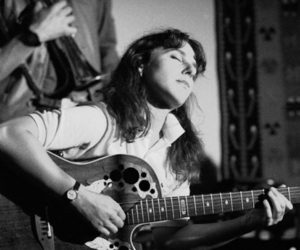
Emily Remler took a particularly clear-eyed view of her work. She didn’t want to be judged by a lesser standard because she was a woman in the overwhelmingly male world of jazz.
Heard as a Miles Davis record pure and simple, Rubberband is one of the strongest from the comeback period.
Recent Comments