
Commentary

These products are imaginative clues to what our ‘new normal’ future will be like.
During this crisis, please help sustain this independent magazine’s commitment to keeping our arts and culture vibrant and alive.
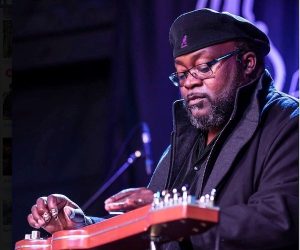
Darick Campbell was one of the Campbell Brothers, the Rochester-based group whose emergence on the roots music circuit in the late ’90s played a major role in the mainstream discovery of the sound known as “sacred steel.”
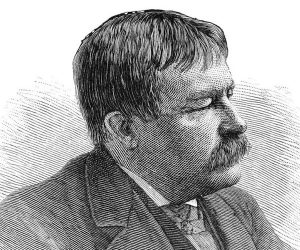
A hundred years ago today one of the most influential writers and editors in American history, William Dean Howells, died in Manhattan at the age of 83.
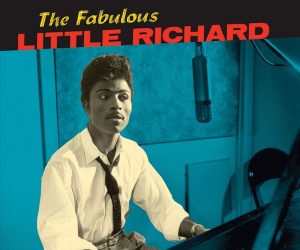
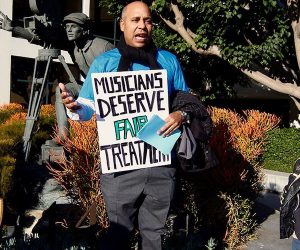
Are we seeing the birth of a competing union, one dedicated to mobilizing a generation of musicians whose needs aren’t being met by the American Federation of Musicians?
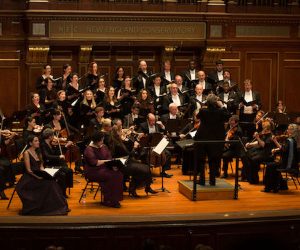
“At Boston Baroque, as we look to the future, we take comfort in knowing that redefining ourselves is in our organization’s DNA.”
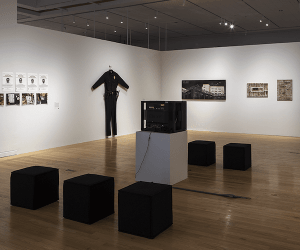
Much of what artists and educators who enter prisons typically aim to do is help foster human connections with those on the inside.
Children’s Book Feature: Worried about Home Schooling? Relax — and Read
Even though options for parents abound, the very best option remains the simplest — pick up a book, snuggle up, and read.
Read More about Children’s Book Feature: Worried about Home Schooling? Relax — and Read