
Ralph P. Locke
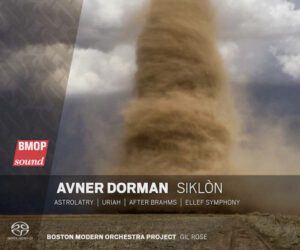
The Israeli-born composer, a professor at Gettysburg College, composes music that intrigues the mind and glistens with fresh sounds.
Auber’s 1831 “Le Philtre” (“The Love Potion”) is an engaging romp that helped give birth to Donizetti’s “L’elisir d’amore.” Immensely popular in his own day, why isn’t it revived more often?
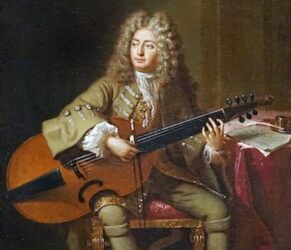
Marin Marais, memorably enacted by Gérard Depardieu (and his son Guillaume) in the film “Tous les matins du monde,” proves a master of Baroque opera in this splendid recording.
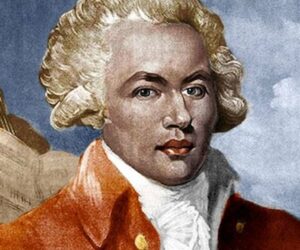
Joseph Bologne, whose mother was a slave in Guadeloupe, proves to be as skillful in vocal-dramatic music as we have long known he was in instrumental works.

In this splendid album, pianist Kristin Ditlow shares her love of the piano in melody-drenched works from many lands and peoples.
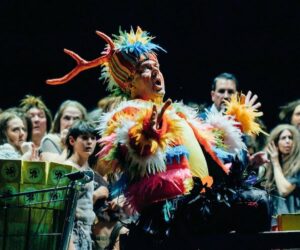
A prize-winning revival of a politically rambunctious, often-entertaining opera from ’60s East Germany
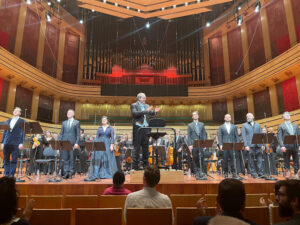
First presented in 1813, “Les Abencérages” displays the mastery and inventiveness of the renowned composer of the opera “Medea.”
A new CD brings us marvelous and varied works by an American master composed between the ages of 88 and 93 (and a mere child at 55).
Bohuslav Martinů, one of the greatest Czech-born composers, reveals a dark-comic sensibility in his rarely performed “Knife” and “Bridge” operas.
This recording of Jean-Baptiste Lully’s Psyché provides non-stop pleasure and delights, thanks to the latest developments in early-music performance practice.
Recent Comments