
Peter Walsh
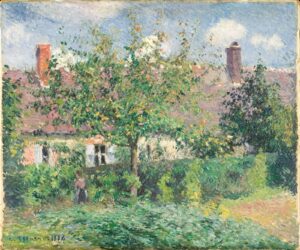
Anka Muhlstein’s book is probably best read as a biography of a hard-working family man and not as a thorough assessment of Pissarro’s art.

Was John Singer Sargent just a talented flatterer of his wealthy patrons or was there more to him?
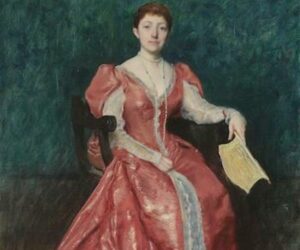
Too often, “Lioness” reads like a digest of Boston tourist guides and historical surveys, at times even seeming to quote them directly.
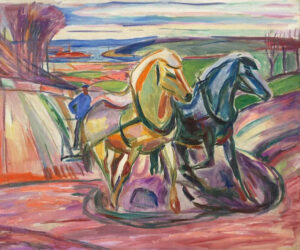
Edvard Munch was very far from a one-hit wonder. His career was a long narrative of restless creativity.
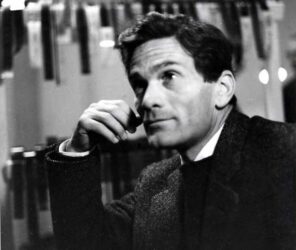
It is the volume’s autobiographical component, the accounts of Pasolini’s wide wanderings in art and aesthetic revelations, with their dramatic, cinematic flashbacks, that give this collection much of its literary value.
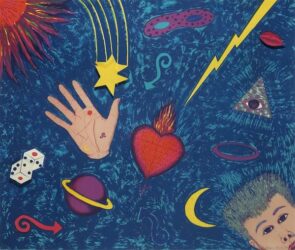
Betye Saar’s assemblages and travel sketchbooks are rich in references and symbols; they are mysterious and introspective, more spiritual than political.
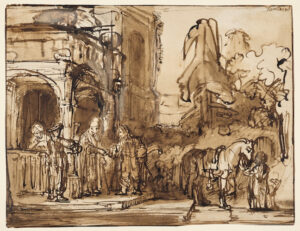
Chasing Rembrandt is a small show, probably quickly assembled to complement the TheaterWorks production. For curious viewers, though, it raises a number of provocative questions.
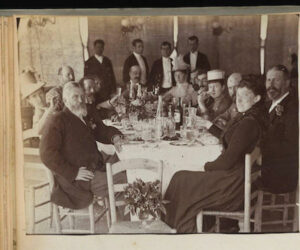
Faced with the dual dilemmas of the opacity of the albums themselves and the now painfully obvious narrative of colonialism, wealth, and white privilege, some of Fellow Wanderer’s authors dodge into more easily researched side issues.
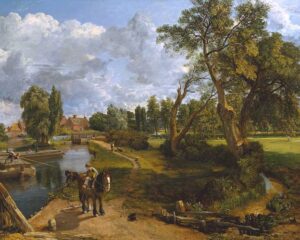
James Hamilton’s biography of British landscape painter John Constable is a highly accomplished, beautifully composed, revealing, and richly entertaining work of scholarship.
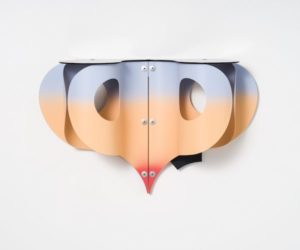
Instead of adoring function from an aesthetic distance, Matt Paweski confronts it where it lives. These sculptures play with the self-insistence that function has always had in modern design.
The Annual Francis Davis Jazz Critics Poll at Mid-Year: Warming Up a Riff — How It Happened, and Why It Matters