
Blake Maddux

It has been a long time since I last felt this passionately about a new artist as I do about The Beths.

The Combat Zone is more than simply a captivating exposition of legal proceedings and adjacent matters. It is an incisive, vivid, jarring, and meticulous account of — as the subtitle says — “murder, race, and Boston’s struggle for justice.”
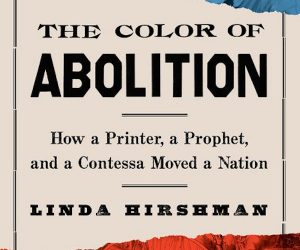
“I always wanted to write about abolition, because abolition is the most successful social movement in American history.”

“Concord was actually surprisingly representative of Massachusetts, New England, and maybe even the North in the 19th century. In learning about Concord, you learn about the making of modern America.”
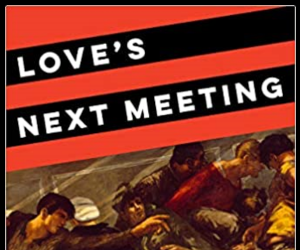
The reader comes away from Love’s Next Meeting with an awareness of the rich history of homosexual culture existed long before the Stonewall riots in the summer of ‘69.

In her new album, Juliana Hatfield’s concerns are comeuppance, self-abasement, and the depravity of those who revel in the power to make decisions that can adversely affect others.

“Then, as now, my focus was on the songs. As long as you can keep your focus on the art that you’re doing, the larger thing it can serve – selling records or whatever – that’ll happen on its own.”

“I really thought that I could sustain a life in music, but perhaps I’d end up in Las Vegas backing Tom Jones or something.”

The real culture war in 1980s America was waged by young people who were trying to create their own culture and jealously rejected corporate culture along the way.

Author Interview: “Of Thee I Sing” — Ben Railton on the Cycles of American Patriotism
“If you are more critical or try to highlight some of the worst things that happen in America, then you are un-American or anti-American.”
Read More about Author Interview: “Of Thee I Sing” — Ben Railton on the Cycles of American Patriotism