
Film

You can forgive director Bruce Weber for gushing in admiration about photographer Paolo Di Paolo’s uncovered legacy. There’s plenty to gush about.

Darren Aronofksy’s new film might not be everyone’s cup of ambergris.

By drawing on the insight and humor in Don DeLillo’s novel, Noah Baumbach manages to find (at least for me) affirmation and comfort in this portrait of the randomness of contemporary existence.

Our demanding critics choose the best films (along with some disappointments) of the year. And there is plenty of disagreement.

Sam Mendes writes and directs an poignant ode to the escape we find in going to the movies.

Two powerful films about fending off violent threats, xenophobic and fascist.

An unconventional documentary explores the career of unconventional filmmaker Robert Downey Sr.
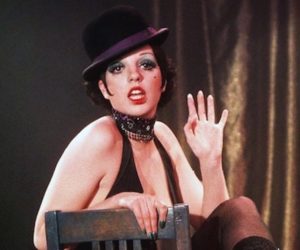
Our critics salute three memorable films — anti-fascist (Cabaret), anti-capitalist (The Ruling Class), and anti-war (Slaughterhouse-Five) — that turned fifty this year. Perfect viewing for the holidays.

With Bones and All, Luca Guadagnino solidifies his place as a filmmaking maverick able to bend genre conventions in ways that express his own painfully beautiful artistic vision.
Arts Commentary: The Enduring Dream of a White Christmas
The holiday is celebrated in every part of the world, but only a small portion of those places actually have snow then. So why this enduring notion of a white Christmas?
Read More about Arts Commentary: The Enduring Dream of a White Christmas