
Books

We Carry Their Bones arrives at a time of increased interest in the history of racism and reform schools, particularly in Florida.

It is dark, so very dark, at the ocean’s bottom. And yet, there is also a disquieting, wonder-filled magic in the child’s moon which hovers over these poems; an incantatory moon echoing like a lullaby, drawing on a time of innocence.

These poems are of their own time and place — written in Haiti and France early in the twentieth century — yet they remain impressively fresh.

This is an entertaining comedy of manners, a sophisticated satire told from the point of view of a feminist professor who is not afraid of committing transgressions in our politically correct age.

What a cruel hoax: the middle class suburban lifestyle, a proud achievement of postwar America and the envy of peoples throughout the world (in no small part due to Mad Men glamorization), contains the very seeds of our demise. If demise is where this is heading.
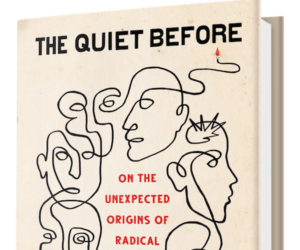
This superb book about adventures in radical thinking is less about tracking incendiary ideas to their obscure sources than about the various media used to ferment and transmit them.

Many have surrendered to Joy Harjo’s undeniable shamanistic charms and classify her as a national treasure.

Guitarist Eddie Condon quotes a mobster on jazz: “…it’s got guts and it don’t make you slobber.”

The Stone Age is only about the gossip, to the point where even when something (potentially) true comes along, it still reads like trash.

Book Review: “As It Turns Out” — Not Enough About Edie and Andy
Alice Sedgwick Wohl has a disturbing tendency throughout the book to back away from her points even as she makes them, as if afraid she will find herself trapped in some politically incorrect cul de sac or just a bad neighborhood.
Read More about Book Review: “As It Turns Out” — Not Enough About Edie and Andy