
Books
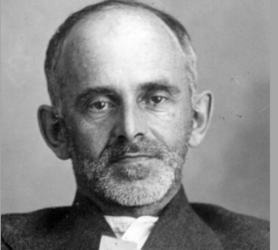
The biography is a workmanlike introduction, valuable because it brings a measured understanding to Osip Mandelstam’s life and poetry as well as to the horrific decades he lived through.
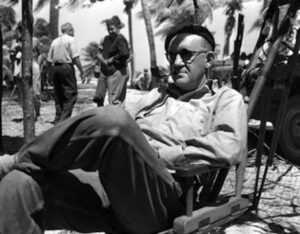
What makes Scout Tafoya’s book a radical departure from earlier studies is his in-your-face challenges to John Ford’s character and his racial politics.
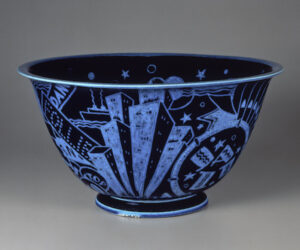
America Goes Modern does splendid justice to the genesis of a miraculous design phenomenon.
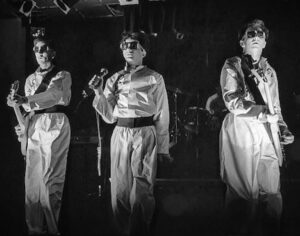
This is the first time Michael Grecco, who was a photojournalist for the Associated Press from 1978-83 and then a staff photographer for the Boston Herald — while regularly shooting shows at night for WBCN and Boston Rock — will exhibit this collection in the U.S. northeast.
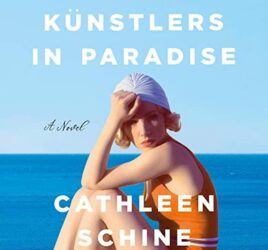
This is a whimsical, well-written novel about an artistically respected Jewish family who managed to escape Nazi-annexed Austria at a perilously late date — September, 1939.
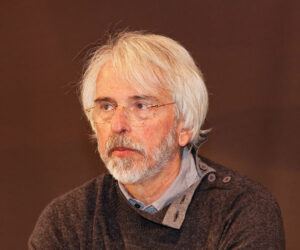
The point of the revelatory exercises in Second Star is to mentally invigorate, to sharpen how we look at the things in plain sight that we take for granted.

Kerry Howley’s expose is a vibrant report on the chaotic and often disquieting world of surveillance and national security.
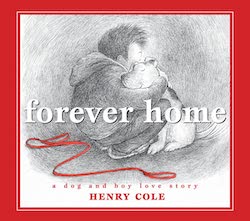
Children’s picture books about dogs and cats are plentiful, but a few new entries in the genre stand out.
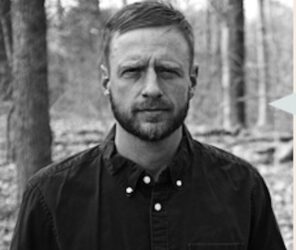
All of the characters in Back to the Dirt are, in a sense, survivalists, people clinging onto what’s long gone, stockpiling karma for an apocalypse that is already upon them.
Book Reviews: Chronicles of Russia’s War on Ukraine — Hope Is the Thing with Teeth
Two powerufl volumes show that Ukraine’s greatest weapons against Russia are hope and unity.
Read More about Book Reviews: Chronicles of Russia’s War on Ukraine — Hope Is the Thing with Teeth