
Books

Ukrainian writer, artist and photographer Yevgenia Belorusets’ diary blends the visceral with the mundane, showing just how quickly dread replaces everyday life.

Host Elizabeth Howard talks to poet, novelist, and essayist Joshua Whitehead about his essay collection “Making Love With the Land.”

Poet, essayist, and novelist Kat Meads puts readers in the presence of women whose lives were often “spectacularly awry.”
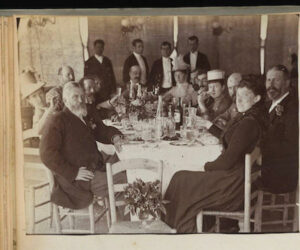
Faced with the dual dilemmas of the opacity of the albums themselves and the now painfully obvious narrative of colonialism, wealth, and white privilege, some of Fellow Wanderer’s authors dodge into more easily researched side issues.
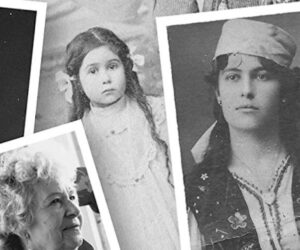
Kantika is Elizabeth Graver’s poignant homage to her grandmother, but it is also a testament to her talent as a storyteller, to make a narrative so believable and compelling and, indeed, sometimes funny, just as it is in life.

The plot of The Red Balcony ticks along briskly. Jonathan Wilson is a gifted narrator and scene-maker.

We are understandably upset when market forces threaten the things we consider to be sacred.

Kari Percival’s greatest thrill? Reading How to Say Hello to a Worm aloud to kids whose faces “light up” as she turns the pages.
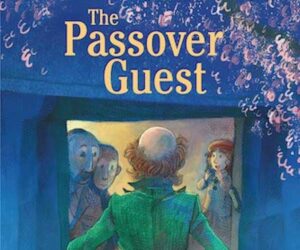
There are so many ways to celebrate the arrival of spring with kids. You can take a walk in the rain, look for flowers or grass sprouting in sidewalk cracks, or plant a garden. After your adventures, you can settle down and read these books.

Book Review: Advertisements for Democracy — Norman Mailer’s Anti-Fascist Eloquence
Guns, anti-Semitism, paranoid conspiracy theories — it never gets old.
Read More about Book Review: Advertisements for Democracy — Norman Mailer’s Anti-Fascist Eloquence