
Trevor Fairbrother
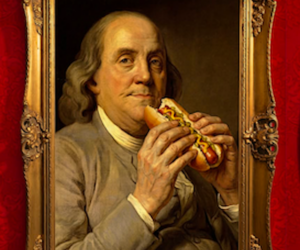
A sprawling 250th‑anniversary display sidles up to hot‑dog branding and influencer playfulness.
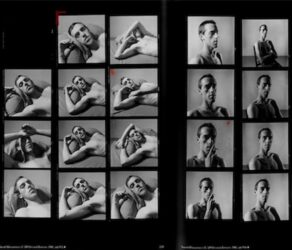
A trove of contact sheets reveals Peter Hujar’s working method, restless eye, and the breadth of an underseen archive.
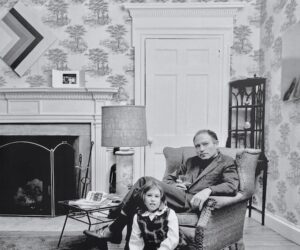
A focused museum show revisits the radiant ambition—and shifting fortunes—of a Color Field innovator.
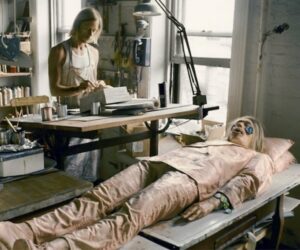
For biographer Andrew Durbin, Peter Hujar and Paul Thek are historical figures from a lost era that he wants to discover on his own terms.
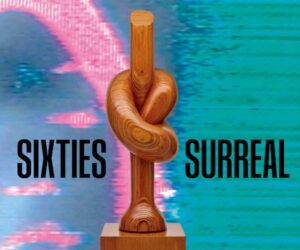
While I heartily recommend “Sixties Surreal” as a provocative revisionist compendium or almanac, I know the volume will frustrate those who expect to find a conventional survey.
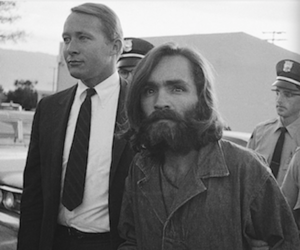
Nicholas Tochka is less interested in crafting a coherent portrayal of Charles Manson’s “musical lives” than in connecting his critical hypothesis of “the invention of the Sixties” to critical theories.
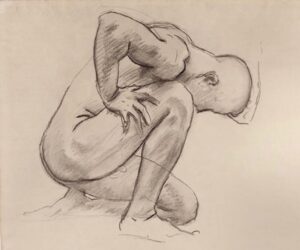
Viewing John Singer Sargent and his art through the lens of identity studies and LGBTQ history supplies new insights into claims about his homosexuality.
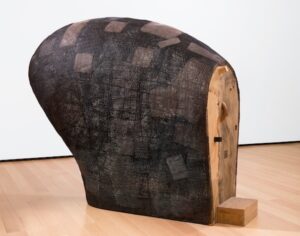
I found it remarkable to explore the exhibition, then experience a kind of filmic audience with the artist, then return, fired up and enlightened, to the beautiful installation.
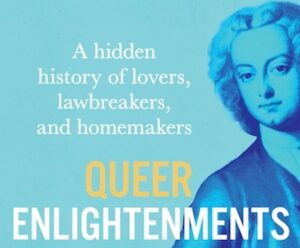
This lively foray into popular history, and others, exemplifies the move to attract younger audiences with open and freewheeling interests in gender and sexual nonconformity.

Visual Arts Commentary: The Great Spirit Gets Company
In Boston and Hanover, new works by Alan Michelson and Kent Monkman challenge the myth of the vanishing Native—and the Cyrus Dallin bronze that enshrined it.
Read More about Visual Arts Commentary: The Great Spirit Gets Company