
Ralph P. Locke
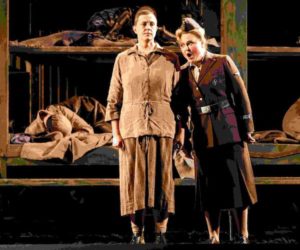
Moissey Vainberg’s opera powerfully evokes the brutality of Hitler’s extermination camps and the moral ambiguity of postwar Germany.
I am honestly puzzled by the casualness or, at times, ferocity with which some people nowadays reject classical music as inherently narrow or elitist.
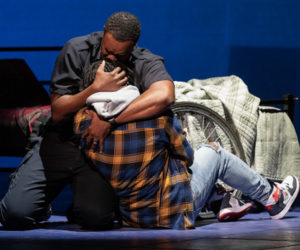
Two exquisite sopranos bring us refreshing songs, arias, and cantatas; and a noted Broadway composer and a remarkable Black librettist offer a searing opera about police brutality.
The record companies are bringing us unsuspected marvels from past and present that we might otherwise never hear, from astonishing Handel-era works and brand-new American pieces to elegantly performed guitar sonatas from 19th Century Vienna.
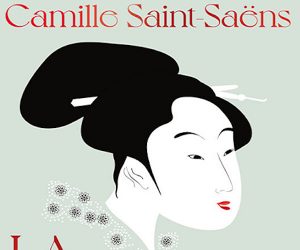
A major contribution to the recorded repertory, making clear just how effective Saint-Saëns’s The Yellow Princess could be on stage, its nowadays objectionable title repudiated by its varied and nuanced approach to the evocation of the exotic.
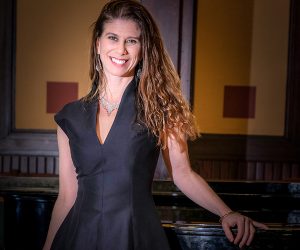
A varied buffet of fresh musical experiences from recent decades and from the mid-1700s.
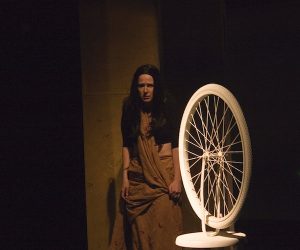
Boston’s 15-year-old Guerilla Opera releases a recording of a fresh take on the old Grimm Brothers tale, to haunting, ritualistic music for four singers and four players.
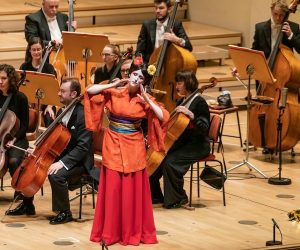
The composer of Cavalleria rusticana brought his sense for characterization and drama to the all-too-plausible tale of a woman victimized by a cad.
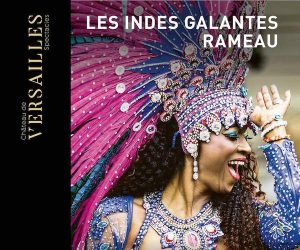
Tenor Mathias Vidal shines, as does the period-instrument orchestra, in the rarely heard, trimmer version of 1761, on the Chateau’s own new award-winning label.
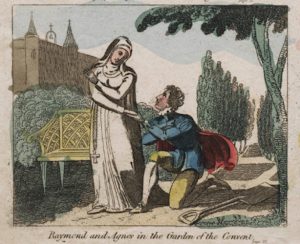
Edward Loder’s well-crafted Raymond and Agnes (1855) captures much of the eerie glow of its Gothic model, Matthew Lewis’s once scandalous novel, The Monk.
Recent Comments