
Hip Hop

“When you collaborate with an audience and other artists, and you let hip hop flow and intertwine, anything goes.”
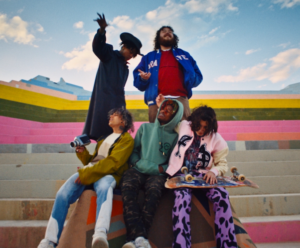
The enthusiastic spirit of “Lost Soulz” is appealing enough to make what feels like two different types of movies sutured together dramatically satisfying.
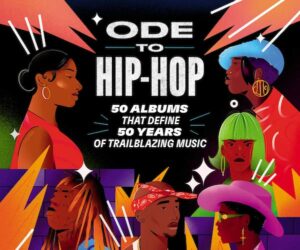
What makes “Ode to Hip-Hop” such a worthy addition to the Rap Book Library is that it makes room for the contributions and trailblazing importance of artists who have been overlooked. Specifically, artists who aren’t straight men.
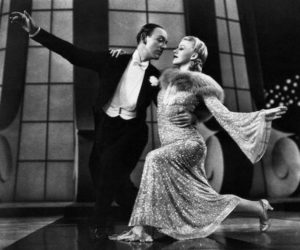
Because Mindy Aloff is so deeply personal and idiosyncratic — and so dependent on what was programmed by certain theaters, in certain years — her book distorts the very topic it is intended to illuminate.
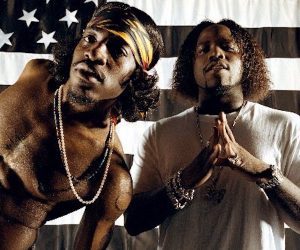
Chronicling Stankonia is an engaging read, one that adroitly balances rigorous academic research with a deeply personal narrative about Black life and art in the post-Civil Rights Era in the South.
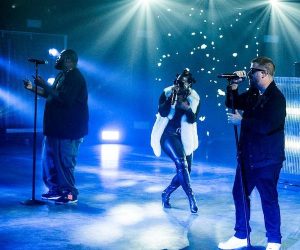
The best thing about Holy Calamavote may be that it presents Run the Jewels in a live presentation of RTJ4 that rivals the atmospheric might of the record itself.

In Only For Dolphins, Bronson serves up his usual brand of excessive escapism, but it is offset by just enough emotional depth to suggest that he is maturing as a person and an artist.
Unpacking Felicia Angeja Viator’s work on the history of Gangsta Rap leads to some trenchant observations about American culture — past, present, and under the pandemic.

In Limbo, Aminé’s become more reflective, yet he never loses sight his boisterous mischievousness.
Nate Patrin’s magnificently written and wildly informative new book argues for the artistry of sampling, its potential for beauty.
Music Commentary: Brian Wilson’s Legacy Thrives — 2026 Reissues Reviewed