
Visual Arts

An MFA exhibition traces how Amsterdam’s Jewish community shaped the artist’s imagination, revealing a rich interplay of daily life, biblical narrative, and cultural exchange.
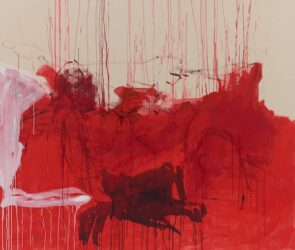
Today, Tracey Emin occupies a singular place in contemporary art, where autobiography, confession, and institutional framing converge within a shared system of visibility.
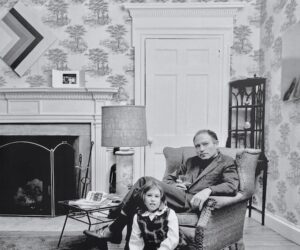
A focused museum show revisits the radiant ambition—and shifting fortunes—of a Color Field innovator.
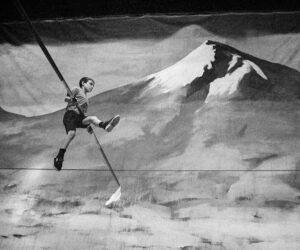
At Project Save, thirty black-and-white photographs capture the tenderness, turmoil, and enduring spirit of the Armenian experience.
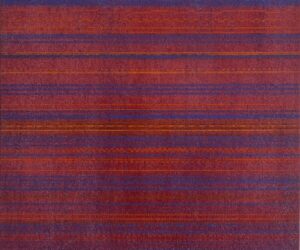
Raffaella della Olga prepares manual typewriters the way John Cage prepared pianos, using their percussive power to completely subvert their original purpose.

Jubilant collages, TV motifs, and immersive rooms celebrate 25 years of Black artist Derrick Adams’s inventive practice.
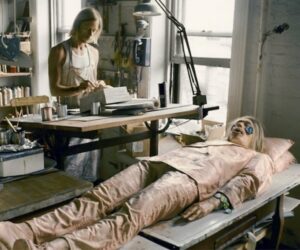
For biographer Andrew Durbin, Peter Hujar and Paul Thek are historical figures from a lost era that he wants to discover on his own terms.
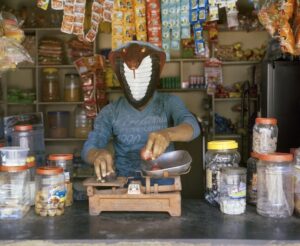
Gauri Gill’s work is shaped by a dense visual language in which light, composition, and texture are not secondary elements but stand as active components of meaning.

In light of our current government, the show provides inspiration from the past, and it serves as an invaluable reminder that democracy has never been static, but ever evolving.
Design and Visual Arts: Affordable Housing, By Design
Revisiting the Eameses’ modular dream at a moment when policy, economics, and architecture are under pressure to deliver.
Read More about Design and Visual Arts: Affordable Housing, By Design