
Visual Arts
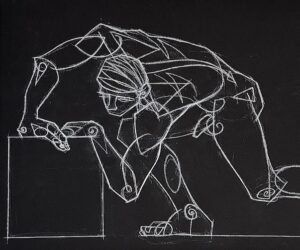
In Provincetown, the artist discusses the perceptual tricks, sly wit, and classical echoes behind his luminous figure drawings and and works on terra cotta.
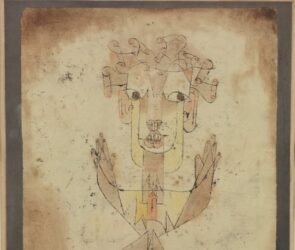
A rare, must-see gathering of Paul Klee’s satirical and prophetic drawings reveals how his angels, dictators, and “degenerate” visions saw Nazi Germany all too clearly.
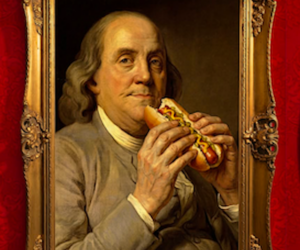
A sprawling 250th‑anniversary display sidles up to hot‑dog branding and influencer playfulness.
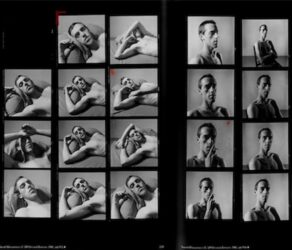
A trove of contact sheets reveals Peter Hujar’s working method, restless eye, and the breadth of an underseen archive.
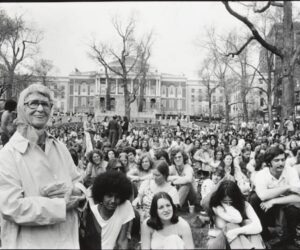
Constantine Manos’s bicentennial-era photographs capture a city divided, resilient, and still recognizable half a century later.
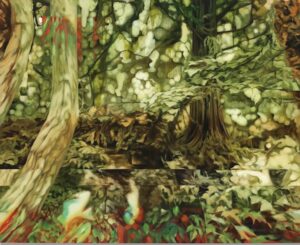
Artists confront climate change by probing the intelligence, fragility, and resilience of trees.
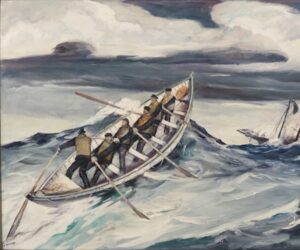
A Provincetown exhibition pairs data and aesthetics to reveal how artists and scientists alike are driven to understand—and protect—the ocean’s shifting world.

A major Alexander Calder exhibition reveals how movement, once radical, has been absorbed into the grammar of contemporary perception.
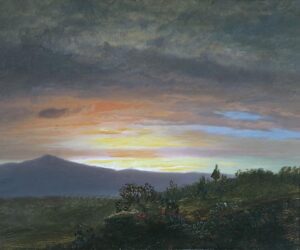
Victoria Johnson’s lively biography celebrates Church’s ambition, while overlooking some of the broader shifts that dimmed his legacy.
Visual Arts Commentary: The Great Spirit Gets Company
In Boston and Hanover, new works by Alan Michelson and Kent Monkman challenge the myth of the vanishing Native—and the Cyrus Dallin bronze that enshrined it.
Read More about Visual Arts Commentary: The Great Spirit Gets Company