
Interview
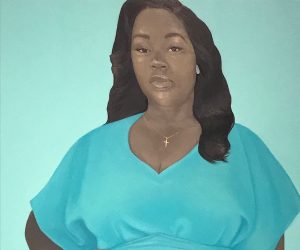
Host Elizabeth Howard talks with Stephen Reily, Director of the Speed Art Museum in Louisville, Kentucky about the exhibition, “Promise, Witness, Remembrance.”

One reason Fred Waitzkin’s work, outside of Searching for Bobby Fischer, is not as well known as it might be is that it doesn’t respect time-honored boundaries between fiction and nonfiction.
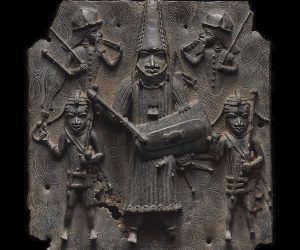
Last week, just a month after the publication of Loot in the US, the Met in New York announced that it was returning two Benin Bronzes to Nigeria.
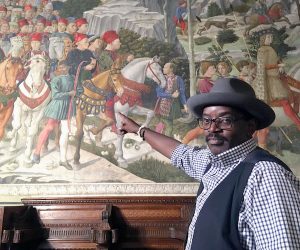
“It is wonderful to see the variety, diversity, and the opportunities for Black artists to tell their stories and present themselves in ways that are not ‘traditional.'”

It’s so important in these times to present international and culturally diverse music and dance. It can be a joyful source of healing for our world, and Global Arts Live has been doing this since its inception..

For local music enthusiasts of all stripes, the hometown label was a point of pride; for musicians and fans the world over, Rounder was the go-to source for music you couldn’t readily find elsewhere.
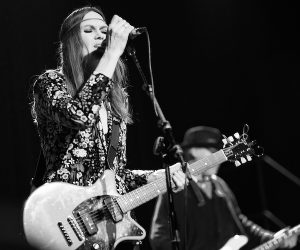
In her new album, Juliana Hatfield’s concerns are comeuppance, self-abasement, and the depravity of those who revel in the power to make decisions that can adversely affect others.
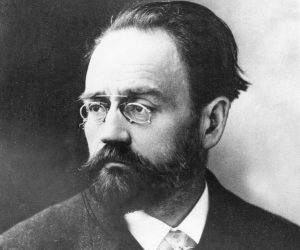
“Why read Zola now? Leaving aside sheer enjoyment of his narrative art, I’d say: because his representation of society’s impact on the individuals within it memorably depicts what it means to be a human being in the modern world.”

Published in August of 2020, Oxford University Press’s English translation of Doctor Pascal marked the first time that Émile Zola’s 20-book Les Rougon-Macquart series was available in print under one publisher.
Author Interview: Aaron S. Lecklider on the Forgotten History of Homosexuality and the Left in American Culture
The reader comes away from Love’s Next Meeting with an awareness of the rich history of homosexual culture existed long before the Stonewall riots in the summer of ‘69.
Read More about Author Interview: Aaron S. Lecklider on the Forgotten History of Homosexuality and the Left in American Culture