
Film
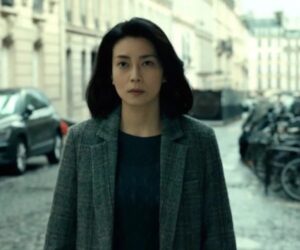
Director Kiyoshi Kurosawa transforms a revenge thriller into a chilling examination of guilt, conspiracy, and the violence that permeates modern life.
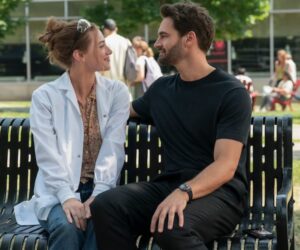
Lili Reinhart charms as a cancer-curing Stanford Ph.D. candidate, but Amazon’s uneven adaptation works best when it follows Olive’s friendship with Anh—not her contrived fake-dating romance.
“Edie Arnold Is a Loser” is a divinely idiotic punk-rock Catholic-school comedy: sweet, predictable, outrageous, mildly blasphemous—and infectious.
Yuval Abraham and Rachel Szor’s rigorously constructed follow-up to “No Other Land” uses testimony from Israeli military whistleblowers to expose the systems of surveillance, dehumanization, and moral evasion that shaped Israel’s war on Gaza.

The festival’s strongest films find courage, comedy, and unexpected forms of kinship amid political repression, mortality, war, and the complications of family.
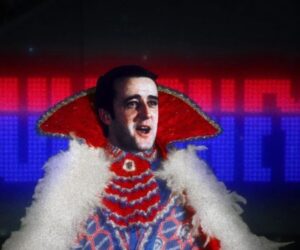
From Matthew Rankin’s delirious Brian Mulroney spectacle to Ashley Duong’s intimate family history, TIFF’s Canadian slate offered films unlikely to draw attention anywhere else.
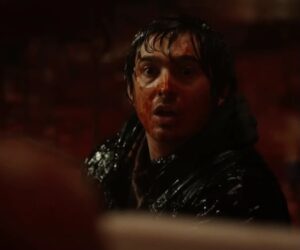
Zach Cregger’s comedic instincts have overtaken his skill as a horror director. Resident Evil is more like a gory stoner comedy than an all-gas-no-brakes horror ride.
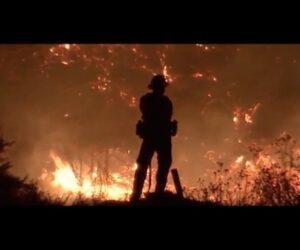
At the New Museum, “I Am Tony” turns film, music, violence, memory, and Black creativity into a searing visual reckoning.
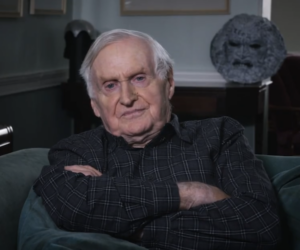
David Kittredge’s lively, illuminating documentary revisits John Boorman’s troubled 1977 “Exorcist II: The Heretic”—a studio-era fiasco whose ambition, artistry, and afterlife now demand a second look.
Film Music Commentary: Why “The Odyssey” Should Have Been a Silent Film
Christopher Nolan’s high-tech Homer struggles to achieve epic grandeur; Fritz Lang’s “Die Nibelungen,” with its stylized images and Gottfried Huppertz’s symphonic score, shows what modern spectacle leaves behind.
Read More about Film Music Commentary: Why “The Odyssey” Should Have Been a Silent Film