
Tom Connolly
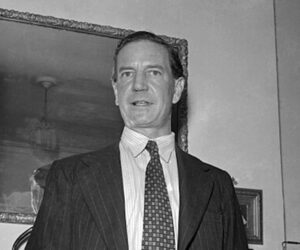
In “Stalin’s Apostles,” Antonia Senior dismantles the mythology of the gentleman spy, exposing the murderous loyalties behind the old school tie.
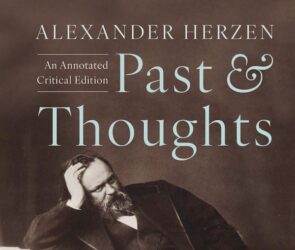
A new annotated translation of “Past & Thoughts” restores the Russian revolutionary writer’s intimate family drama and brings his penetrating critique of tyranny, populism, and political extremism to American readers.

Terry Chester Shulman’s biography offers a vivid, corrective account of John Barrymore’s artistic greatness, private devastations, and spectacular decline.
Jesse Kauffman’s sweeping history links the imperial collapse of 1905–1921 to the nationalist conflicts that still shape the region today.
Oliver Hilmes’s “Summer of Freedom” offers vivid snapshots of 1945—but little sense of why the world changed.

When corporate thinking dominates cultural institutions, the art often pays the price.
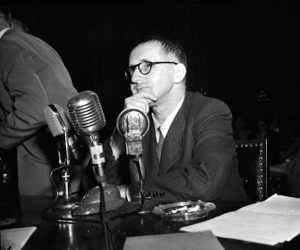
Marjorie Garber’s case for poetry as resistance proves more fanciful than persuasive.
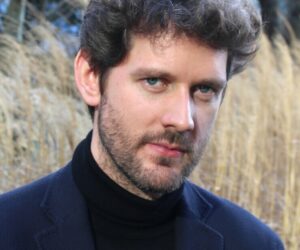
Why democracy cannot escape elites—and how they quietly reshape power from within.

The smoke drifting over the set is a metaphor for the mind-fogging rhetoric of Willy Loman’s phony boosterism. He has been adrift in an American dream that was a lie all along.
Arts Commentary: Boffo Box Office — Cultural Bust
Hedge-fund logic, executive excess, celebrity casting, and algorithmic ticket prices are remaking nonprofit arts groups and Broadway alike
Read More about Arts Commentary: Boffo Box Office — Cultural Bust