
Michael Londra
Book Review: The King of the Cats Returns — Seamus Heaney’s Complete Poems and the Poetry of Justice
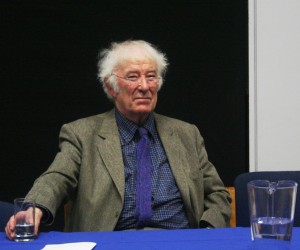
In a monumental new gathering of his work, the Nobel laureate’s poems—of rural labor, private grief, history, and divided Northern Ireland—remain a moral force in a newly fraught moment.
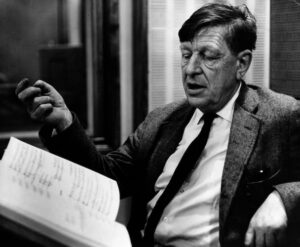
Peter Ackroyd’s breezy biography captures the poet’s divided nature—but leaves his political and poetic reversals largely unexplored.
Dennis Cooper’s “transgressive” reputation obscures his deeper project: language as moral instrument, and the victim rather than the predator as the true subject.
In “The Age of Migration,” Kai Maristed follows displaced characters through political danger, private desperation, and unexpected acts of survival.
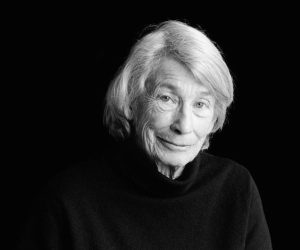
This documentary about poet Mary Oliver is a moving study of solitude, partnership, and the stubborn power of wonder.
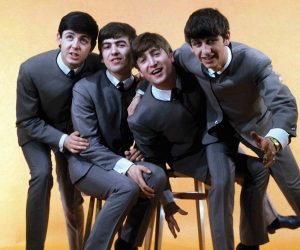
Jim Windolf’s joint portrait argues that competition between icons did not divide them—it reshaped modern music
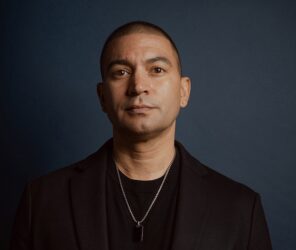
Poet Adrian Matejka distills identity, anti-racist critique, political commentary, and literary history into rapid left-right-left punches, each landing hard.
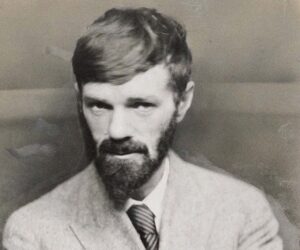
D. H. Lawrence’s final poems confront mortality with mysticism, sensuality, and hard-won clarity.

By Michael Londra In /face, William Lessard examines how technology fragments identity, transforming our faces into data and design. /face by William Lessard. Kernpunkt Press, 100 pp, $18. Recently I saw Patti Smith perform her album Horses at the Beacon Theater in Manhattan. Filing in, a sign alerted me to the following: “Attention Customers: biometric identification…
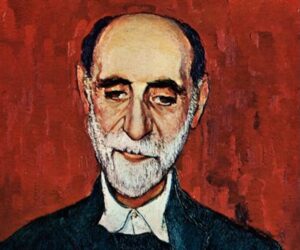
Juan Ramón Jiménez’s “Eternities” could be considered a gallery of invisible tongues schmoozing at heaven’s bandwidth.
Arts Commentary: The Distance Between Us and the Museum