
Michael Londra
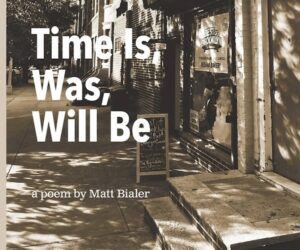
Matt Bialer’s long poem doesn’t see time as a clock running to zero, but as an infinite love poem.
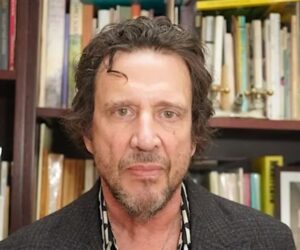
Richard Hell is the only New York artist of the past fifty years to give Lou Reed and Patti Smith a run for their money.
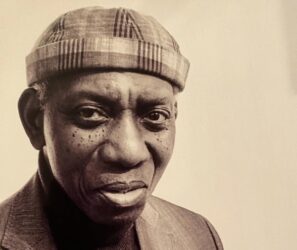
Yusef Komunyakaa and Laren McClung’s goal — achieved through tag-team lyric utterance — is a noble spirituality.
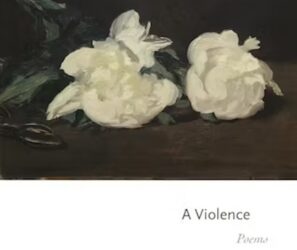
You can almost hear the volume whispering in your ear, “Be like lichen.” Traumatic grief, political tyranny, and environmental catastrophe are not irreversible.

Poet John Berryman’s choice of minstrelsy in his “Dream Songs” is not just a distraction that can be explained away by aficionados — it is impossible to excuse or forgive.
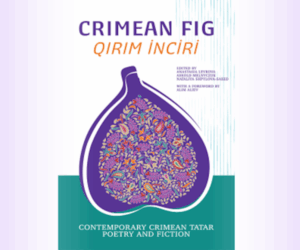
The authors assembled in “Crimean Fig” demonstrate they are unafraid to speak up for Tatar language and culture, while simultaneously speaking out against Putin, unwilling to submit.
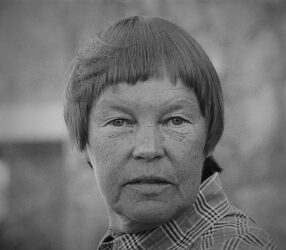
Optimistic, a canny survivor, relentless, genderfluid—poet May Swenson described herself as “I am one of those to whom miracles happen.”
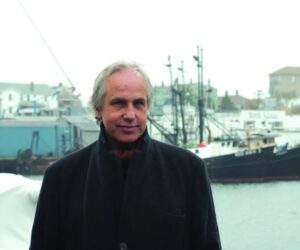
Of special interest is Askold Melnyczuk’s treatment of objects. His imagination transforms curios into uncanny artefacts.
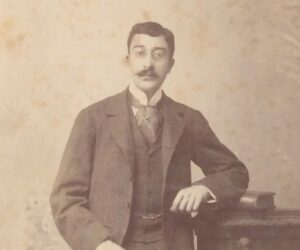
Unable to place Cavafy in a holistic context, momentum is never sustained. Key points remain scattered, unintegrated.
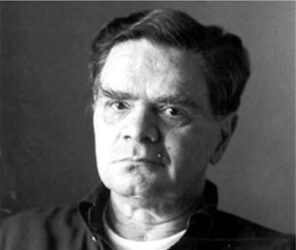
As befits a prolific and distinguished poet, renowned for his visionary instincts and signature compositional technique, Nathan Kernan has produced an account of James Schuyler that is as morally serious as his subject.
Arts Commentary: The Distance Between Us and the Museum