
Debra Cash

In “Myokine”, the ensemble itself is under interrogation: can these dancers connect enough to rescue each other? Can they form bonds of solidarity?
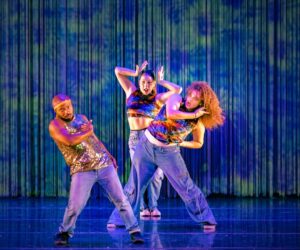
The elements of “Urban Nutcracker” have remained the same over the decades: a mix of classical, street, and global dance genres, buoyed by a medley featuring Tchaikovsky and Duke Ellington’s take on Tchaikovsky’s classic score.
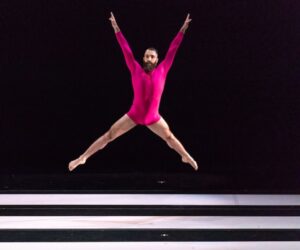
“I love to dance. I love music. My life is in the flow” — Seán Curran
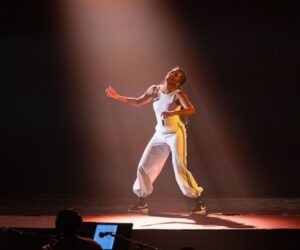
There is a sense that once wound up, the dancers are not going to let go – not from their power and not from their dreams.
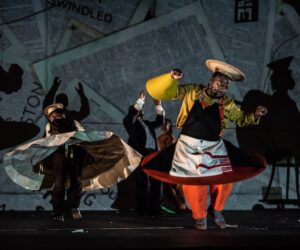
Scribble, smudge, repeat: the passage of time and the emergence and dissipation of information conveys the difficult work of experiencing coherence and retaining memory.

This week’s poem: Debra Cash’s “Not All the Gates of Heaven Jerusalem”
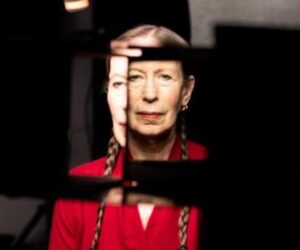
What it cost Meredith Monk to be uncompromising! In the early days of her experimentations, the dismissive, often patronizing reviews included lines like her music “made my cats bite each other.”
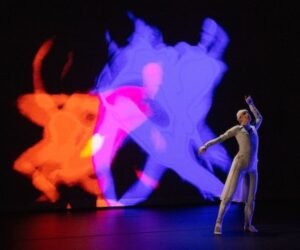
Jacob’s Pillow’s new Doris Duke Theatre is a complete triumph. It is, in artistic director Pamela Tatge’s words, “nothing like we had in mind but exactly what we thought.”
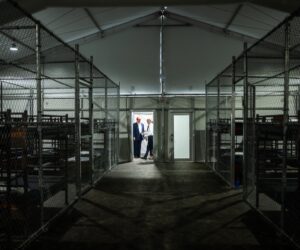
So now, along with hand-made candles, jewelry, and home goods, Etsy customers can sport tees, caps and download stickers with Alligator Alcatraz names and images.

Arts Commentary: Rich in Creativity — But Nothing Else
Predictably, when you get to the discussion of money, honey, the rubber hits the road.
Read More about Arts Commentary: Rich in Creativity — But Nothing Else