
David D'Arcy

The Toronto International Film Festival (TIFF) had much to offer this year, once you walked through construction debris to get to the theaters. Here are some films worthy of note.

Beyond rich allusions to the past, Jeremy Frey and his generation of basket-makers are also creating objects that will leave your eyes spinning.

This summer’s installation of new sculptures is evidence that creative interventions in nature can be harmonious.
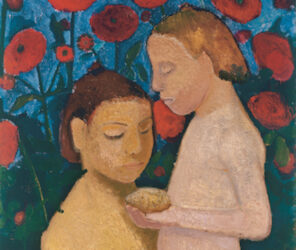
This is the first US museum exhibition for Paula Modersohn-Becker, and one of the crucial shows to see in New York this summer.

Two standouts at this year’s Tribeca Film Festival: “Bikechess” and “Made in England: The Films of Michael Powell and Emeric Pressburger”.
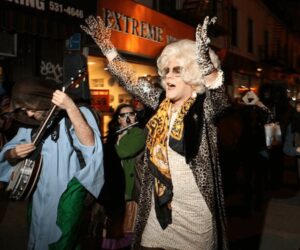
The 2024 Tribeca Film Festival was predictably celebrity-heavy and substance-light. Yet between the cracks, there were things well worth seeing.
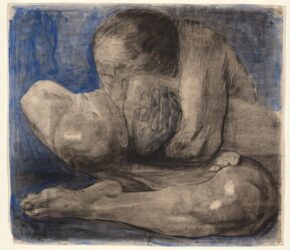
It is hard to think of a moment in the last 100 years when Käthe Kollwitz’s work has been more timely.

“Parade”‘s power does not lie in its mystery or its revelations of combat. The work, as artist Si Lewen lays it out, surveys the absurd pomp and horror of war.
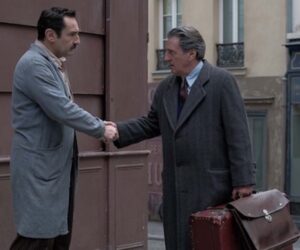
This is a tense morality play, with twists odd enough (and a palette dark enough) to sustain a noir-inflected thriller of almost two hours.

Watch “Five Broken Cameras” as “No Other Land” finds its way to festivals beyond Berlin. By then, the forced displacement of people in the West Bank will look gentle compared to the relentless siege of Gaza.
Recent Comments