
Oxford University Press
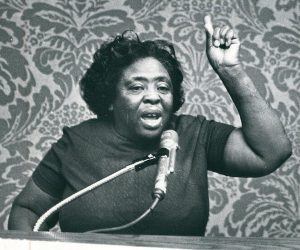
A three-dimensional portrait of one of the most powerful and eloquent leaders of the civil rights movement in Mississippi.
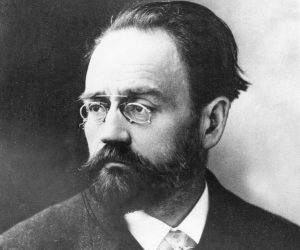
“Why read Zola now? Leaving aside sheer enjoyment of his narrative art, I’d say: because his representation of society’s impact on the individuals within it memorably depicts what it means to be a human being in the modern world.”

Published in August of 2020, Oxford University Press’s English translation of Doctor Pascal marked the first time that Émile Zola’s 20-book Les Rougon-Macquart series was available in print under one publisher.
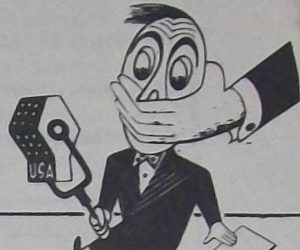
This history of union activity among white-collar workers in New York City tells an illuminating story about creative labor’s effort to be treated with respect by the powerful.
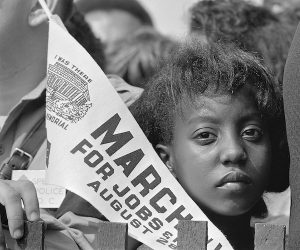
The Movement works best as a stripped-down, high-speed introduction to the struggle for civil rights, nothing more.
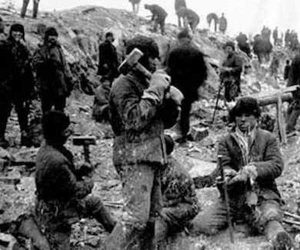
An unabridged text of an incisive, harrowing, and absorbing eyewitness account of the Gulag has finally been published in English translation.
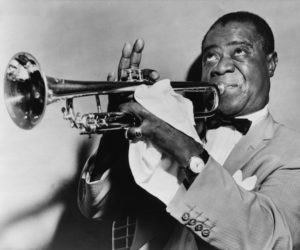
He may be extreme as a polemicist, but Ricky Riccardi shines when he sticks to jazz’s history.

“Politics is driven by language, and America’s peculiar history has given oligarchs the language to undercut democracy.”
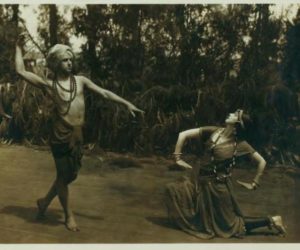
In this new biography, Ted Shawn is on display in all his narcissism, paternalism, hypocrisy, originality, and the dedication to creative expression that set American modern dance on its way.
Book Review: “Drawing the Line” — How to Respond to “Immoral” Artists
Drawing the Line is grounded in the work of ethicists and psychologists. Its prose is clear and its arguments systematic. But every avenue of investigation only opens up another pathway that ends as a cul-de-sac or doubles back on itself.
Read More about Book Review: “Drawing the Line” — How to Respond to “Immoral” Artists