
Ornette Coleman

We should be grateful for Ohad Talmor’s wide-ranging curiosity, not only because of the detective work he put into the Ornette Coleman/Lee Konitz recordings, but because of his uniquely varied presentations of these mostly unknown pieces.

Three re-issued albums reinforce the claim that jazz recordings hit their peak from 1956 to 1964.
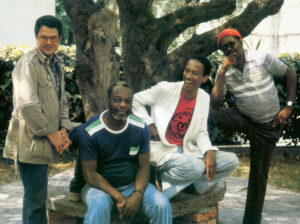
The music this band produced was famously challenging: it was also often surprisingly beautiful.
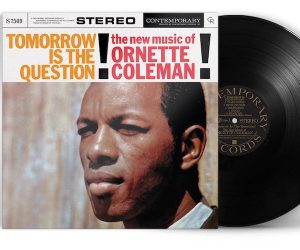
Ornette Coleman turned to me and said, “You know, you can never really be out of tune. You are always in tune with something.”

Two pianoless quartets + two restless leaders = some of the best music of the last few years.
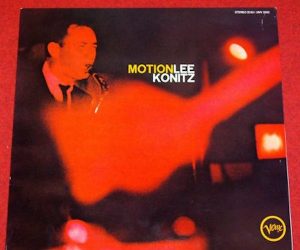
Here is a personal selection of recordings in the saxophone trio format. These linear collaborations have been part of the jazz scene for at least seventy years now. The results are almost always illuminating and exhilarating, and a review of them offers a miniature history of saxophone styles.
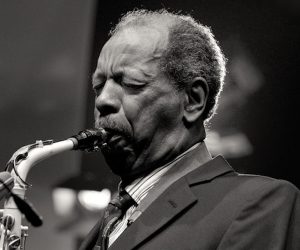
“Ornette was looking for those notes, the ones that feel no pain.”
This collection demonstrates that the music of Ornette Coleman is in tune with something elemental and essential in the human spirit.
So there was the Ornette Coleman Quartet, leading off the final side of vinyl with a cut that changed my life, “Lonely Woman.”
Jazz Commentary: Ornette Coleman — An Outsider Cracks the Egg
The final, ineluctable quality that Ornette Coleman brought to the table was that he had an individual “voice,” which is the sine qua non and preeminent ethos in jazz.
Read More about Jazz Commentary: Ornette Coleman — An Outsider Cracks the Egg