
Visual Arts
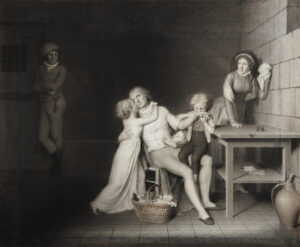
Plan to linger over every moment of this revelatory, diverse, and understated special exhibition.

The textile arts have been dissed by so many narrow-minded educators and critics over the years that it is heartening to have two exhibits (and their catalogues) treat the art of the woven with the respect and awe that it deserves.

Was John Singer Sargent just a talented flatterer of his wealthy patrons or was there more to him?

The MFA’s Fashioned by Sargent alludes — only at whisper level — to the fact that many of John Singer Sargent’s clients represent questionable ideals.

Is the artist’s direction of clothing choices — and how he painted the garments — a sufficiently compelling inquiry in which to anchor an exhibit?

The show would have been stronger if more context had been provided, both about women’s lives and the artistic traditions that inspired and influenced artists of the Renaissance.
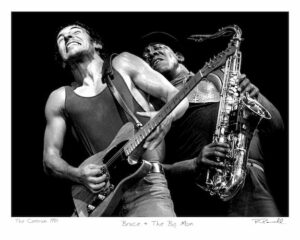
The Folk Americana Roots Hall of Fame and the Panopticon Gallery host very different shows featuring rock icons.
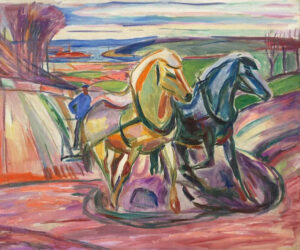
Edvard Munch was very far from a one-hit wonder. His career was a long narrative of restless creativity.
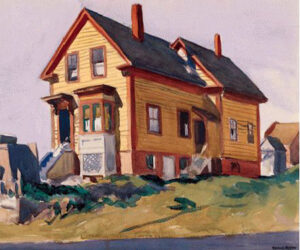
A leitmotif of this exhibition underlines Josephine Nivison Hopper’s role in her husband’s emergence as one of the most successful and beloved artists of his generation.
Arts Feature: The Best of Visual Arts and Design, 2023
Amid the year’s chaos, art was a saving grace, civilizing and humanizing: a much needed blessing that allowed us to breathe, to inhale beauty and perhaps a whiff or two of truth.
Read More about Arts Feature: The Best of Visual Arts and Design, 2023