
Visual Arts
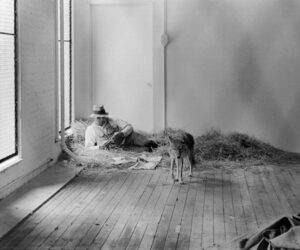
It is ironic — but understandable — that 50 years ago only a handful of people experienced what has become one of the iconic happenings of 20th century art.

This midsized MFA project is a solid bid for summer foot traffic from the fashionista demographic.

This provocative installation is at the deCordova Sculpture Park & Museum is a “dystopian meditation on the lives of marginalized groups, debt, the challenges of home ownership and living in a climate-stressed world today.”
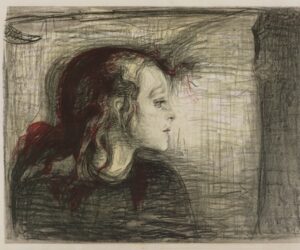
Yes, Munch and Kirchner were into angst; but they were also artists of great energy, talent, and daring, who found new ways of working and did much to shape the direction and force of modern art.
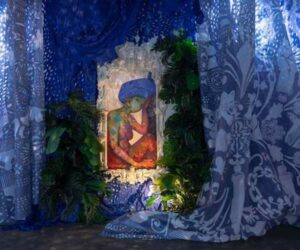
The artist is currently facing the existential throes of art-world fame and fortune.

“Parade”‘s power does not lie in its mystery or its revelations of combat. The work, as artist Si Lewen lays it out, surveys the absurd pomp and horror of war.

Fostering collaboration between artists and scientists is a wonderful educational and creative endeavor. Kudos to the Umbrella Arts Center for taking on such a complex and ambitious project.
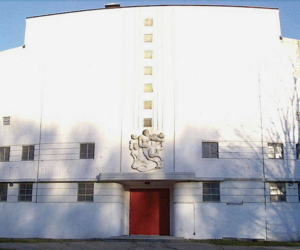
Many in the increasingly vocal community of stakeholders feel strongly that tradition, history, and student sports will be the victims of this apparent corporate/public conflict.
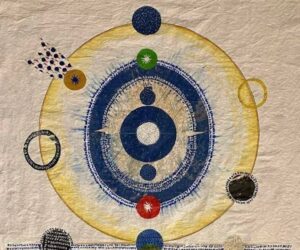
Since I live in Boston, and was seeking out the farther reaches of the outsider art world, I was happy to discover three stellar galleries in Massachusetts and Vermont.
Design Review: A Singular Art Nouveau Shopfront in Harvard Square
Made over 100 years before the current marketing phrase went abuzz, 1304 Massachusetts Avenue is a charming example of a true immersive retail experience.
Read More about Design Review: A Singular Art Nouveau Shopfront in Harvard Square