
Visual Arts
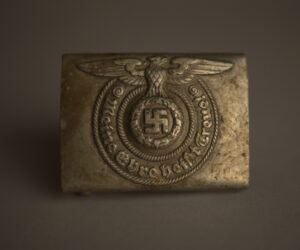
“Auschwitz: Not Long Ago. Not Far Away.” is compelling, but its message feels hermetically sealed — the exhibit needs to draw crucial connections with what is going on now.
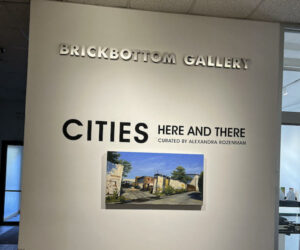
This exhibit at the Brickbottom Gallery does a good job of capturing the unexpected moments and surprises that we experience in a city.
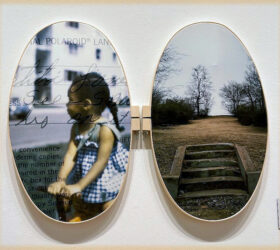
On the occasion of the 160th anniversary of the Emancipation Proclamation, seven Black artists were asked to respond to the theme of emancipation.
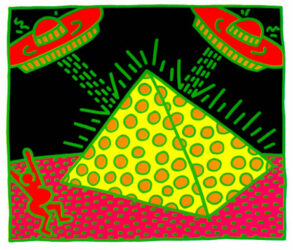
This biography of Keith Haring is a compendium of vivid, first-person narratives that provide an engaging insider’s perspective on the artist’s life.
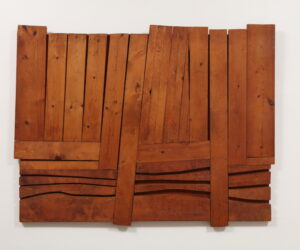
This is a small show, only 18 pieces, but each drew me into thinking about what I was seeing and, simultaneously, how the artist made it.
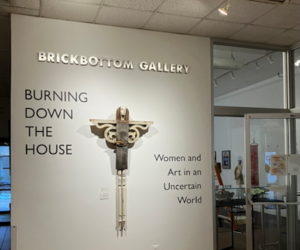
These five artists do indeed make their voices heard. They shine as soloists, and their messages are only amplified when they join into a chorus of multi-part harmony.

The overall impression of this valuable exhibit is to remind us that religious conviction is by no means synonymous with conservatism.
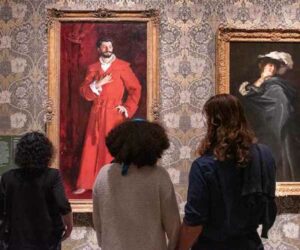
Boston’s veneration of John Singer Sargent is awkwardly implicated in the city’s habit of denouncing modern art.
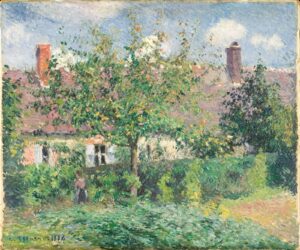
Anka Muhlstein’s book is probably best read as a biography of a hard-working family man and not as a thorough assessment of Pissarro’s art.
Visual Arts Commentary: The Problematics of Multiculturalism at the MFA — On the Dallin Front
Boston’s MFA owns the ethical and cultural dilemma regarding the location of Cyrus Dallin’s monumental statue “Appeal to the Great Spirit,” acquired as a gift in 1913.
Read More about Visual Arts Commentary: The Problematics of Multiculturalism at the MFA — On the Dallin Front