
Jazz
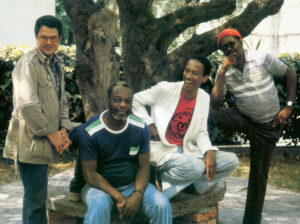
The music this band produced was famously challenging: it was also often surprisingly beautiful.
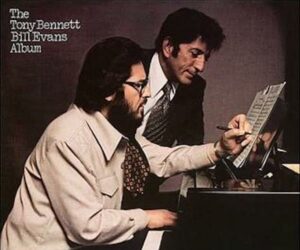
Tony Bennett was not only a singular artist. He was, by all accounts, a mensch: an early supporter of the civil rights struggle and participant in innumerable benefits, he was a generous mentor.

Lost amid a flood of new music in the early ’70s, the three lps under review here never received their due.

“Time Flies” offers approximately two hours of outstanding jazz, created by true masters with no other agenda than to play their asses off with the tape rolling.
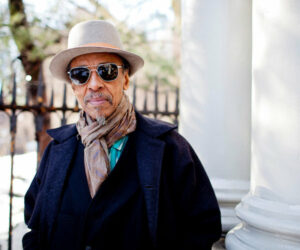
The Pulitzer Prize-winning composer eludes easy categorization, but Henry Threadgill’s new memoir — and his latest recording — take a step in defining his singular artistic personality.
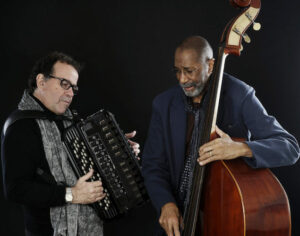
The clarity and focus of Ron Carter’s bass is exemplary here, as is the balance with Richard Galliano’s accordion.
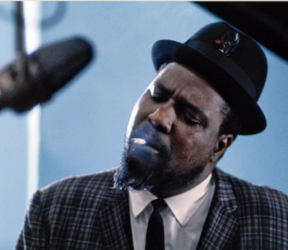
Thelonious Monk can sound like someone skipping (or even tripping) — and yet the swing is there.
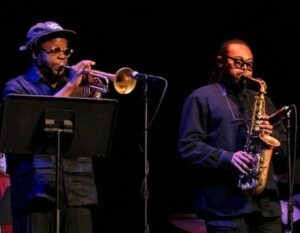
WasFest was a unique spread of mostly Blue Note artists covering classic albums of either their own or their inspirations, and the first two nights offered a range of jazz permutations.

These pieces integrate the various, varied sounds James Shipp and Nadje Noordhuis produce into something rhythmically as well as melodically exciting and coherent.

The trio on hEARoes is enthralling; it doesn’t sound like anything I have heard.
Recent Comments