
Classical Music

The shamefully belated release of the first recording (1992!) of “L’olimpiade,” a major work by Hasse (a renowned contemporary of Handel and Vivaldi), featuring some of the best singers of the day, including male soprano Randall K. Wong.
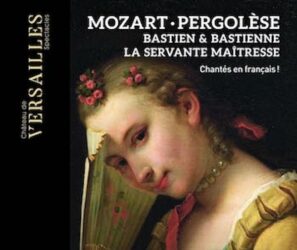
Much-loved short works by Pergolesi and Mozart storm the stage, thanks to spiffy French dialogue between the musical numbers.
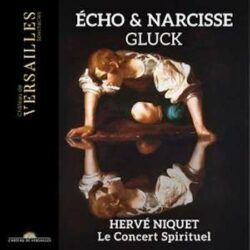
Rejected in Gluck’s time because it lacked dramatic thrust, today “Écho and Narcissus” proves to be a candy-box of delights.
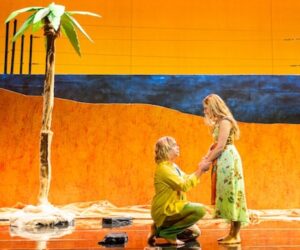
Some may continue to lament the (supposed) dearth of opera in Boston, but an honest look at these enterprising companies suggest that vivid stories are being told with invention and economy.
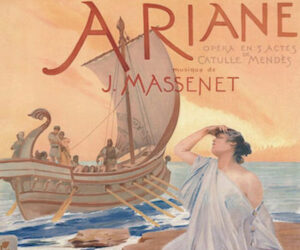
With Egyptian-born Amina Edris in the title role, Massenet’s opera engages the musical and theatrical imagination with its rich characterizations of Greek mythic adventures.
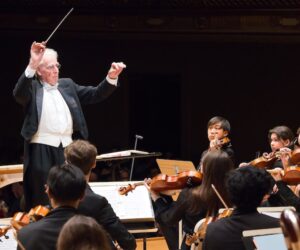
Conductor Benjamin Zander put the Boston Philharmonic Youth Orchestra to challenging work at Symphony Hall, while, on record, Isabelle Faust delivers a vital, urgent, and engrossing traversal of the Britten Violin Concerto.
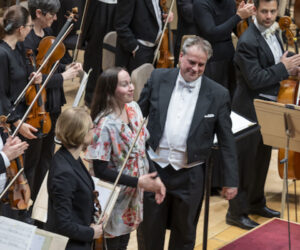
The Finnish conductor’s welcome return to the Boston Symphony Orchestra heralds the kick-off of a two-week festival of Nordic music.
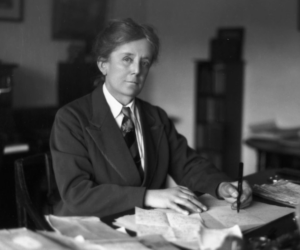
Mass in D was Ethel Smyth’s first large-scale score and, according to Cappella Clausura conductor Amelia LeClair, the composition expressed her yearning for hope and redemption.
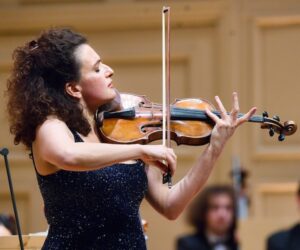
The Boston Philharmonic Orchestra was violinist Liza Ferschtman’s equal partner for much of the performance, imbuing Alban Berg’s dense orchestral writing with warmth and shapeliness
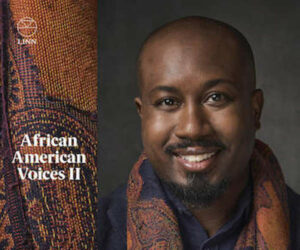
Kellen Gray and the Royal Scottish National Orchestra continue its mission of bringing vital music to life; the Neave Trio releases an album of gems, a survey of piano trios by four women.
Recent Comments