
Classical Music
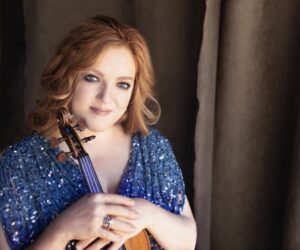
With Matthew Hagle at the piano and a storied 1742 Guarneri in hand, violinist Pine found both familial warmth and dramatic urgency in three Brahms sonatas.

Claire Chase and her collaborators make a persuasive, vivifying case for Terry Riley’s hourlong score of freewheeling fantasy, grief, birdsong, and release.

The Rhode Island Philharmonic will perform the world premiere of a new work shaped by a New Year’s Eve encounter with Ukrainian refugees—and the consoling force of “Amazing Grace.”

In “Silent Depths,” Kristian Sensini responds to the suffering of civilians in the West Bank and Gaza with sincere, accessible music that ultimately needs greater tension and complexity.

Curtis Stewart transforms two dozen American songs into inventive, virtuosic studies for solo violin.

Arnold Östman’s first complete recording makes a powerful case for Wilhelm Stenhammar’s long-neglected Norse opera—despite the intrusive directorial alterations preserved from Malmö Opera’s 2011 staging.

On its lively new recording, the Boston chamber group gives buoyant, colorful, and sharply characterized performances of three works by a longtime MIT composer.
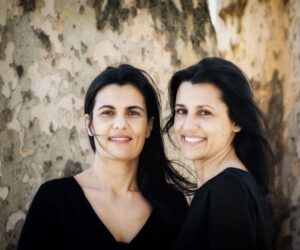
The sisters’ new ECM recording catches the volatile interplay of lyricism and menace in a compellingly programmed set.

Violinist Anne-Sophie Mutter’s latest Alpha recording pairs two late works by André Previn with Sebastian Currier’s witty, searching “Ringtone Variations.”

Arts Commentary: Trump’s War on the Kennedy Center Is a War on Culture Itself
His threatened destruction of the nation’s living memorial to John F. Kennedy exposes not merely an assault on a building, but the petty authoritarianism, civic vandalism, and cultural contempt driving his presidency.
Read More about Arts Commentary: Trump’s War on the Kennedy Center Is a War on Culture Itself