
Books

In three books of oblique self-reflection Italian philosopher Giorgio Agamben explores and exposes the artistic and intellectual thresholds that have been central to his life and to the life of his mind.

Initially, Antonio Muñoz Molina’s resonant novel seems to be the study of the moods and challenges of a man waiting for the only person who gives his life meaning.
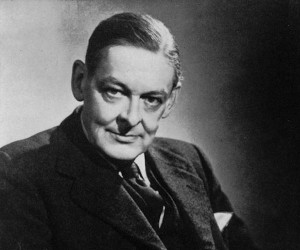
The value of “On Frost and Eliot” is sending the reader spinning out of its own text and back to poems by two of the major poets of the 20th century, each of whom has suffered from the vagaries of fashion, both in popularity and neglect.

Some of “The Prison Industry”‘s most devastating material appears in the section of the book exposing the lack of acceptable health care in jails and prisons.

Kudos to Delacorte Press for publishing not one but two middle-grade books about the dangers of book banning.
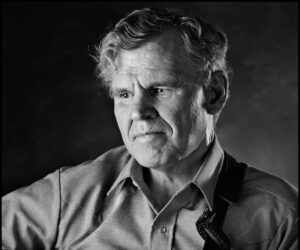
Check out the book to absorb the trajectory of Doc Watson’s career from impoverished guitar player to becoming an icon of Americana, and a repeat winner of Grammy Awards.

The all-too-human propensity for not only telling yourself what you want to hear but taking what you see at face value is what drives the action.

For those with an appetite for lyrical absurdity, this dark and demanding journey into a bedeviled night will repay the effort.
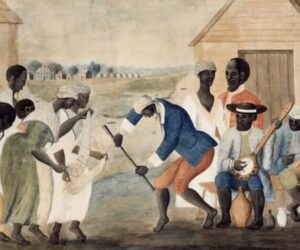
Richard Kreitner’s narrative shows that, in general, Jews were apparently no more intolerant of slavery than any other Americans – notwithstanding their spiritual and national history of liberation from bondage.
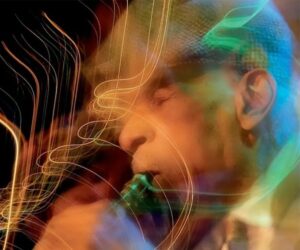
Everyone who loves jazz, or makes a living somewhere in its world, owes a debt to many of the hard-working and under-paid writers of the Jazz Journalists Association (JJA).

Recent Comments