
Books

You could say that Thomas O’Grady’s poems have the eyes of a horse — channeling history and mythology through the contemporary lens of poetry’s eternal present.
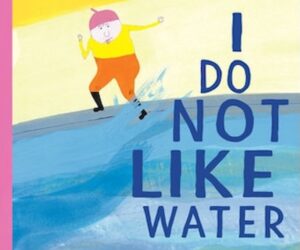
Two new picture books offer a refreshing use of not-so-typical endings.

What we don’t learn in “Josephine Baker’s Secret War” was what she did to steel herself against the risks she was taking. Was it all acting? A belief that her charmed life would never end?

I wish this catalogue spelled out John Singer Sargent’s professional stance as a “juste milieu” painter more methodically. That term refers to those eager to be associated with new stylistic tendencies yet careful not to transgress the establishment’s norms.

The author argues that “the only way to prevent the senseless acts of cruelty” that result from the “grinding gears” of the “machinery of death” is to “retire the machinery altogether.”

For fans of director Stanley Kubrick, this enhanced biography may be the most thorough and readable volume on one of the cinema’s most profound seers.

Though lapsing at times into hagiography and muddled synopsizing, James Miller’s study of filmmaker Pedro Almodóvar is a bracing reminder of the greatness and ever-evolving genius of this world-class artist.

The fact that readers have dismissed Jim as a fool or have misunderstood Mark Twain’s intent in Huckleberry Finn reflects on our limitations.
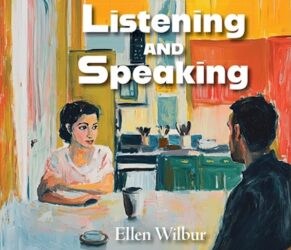
With visionary daring, Elllen Wilbur leads us into unexpected corners, then transcends them profoundly and beyond expectation. Such stories are more than “moral fictions.” They are soul-shakers.

Despite its title, this YA novel would be best described as an exercise in magic realist satire. Those looking for heaping helpings of the affluent will be disappointed.
Recent Comments