
Boston Symphony Orchestra
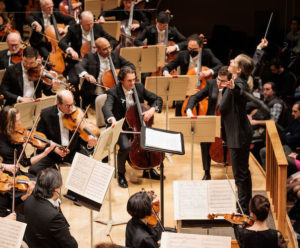
In the hands of some, Szymanowski’s Second Violin Concerto can be tame and traditional. As conducted by Karina Canellakis, and performed by the BSO and violinist Nicola Benedetti, the piece came off as bold, colorful, and urgent.
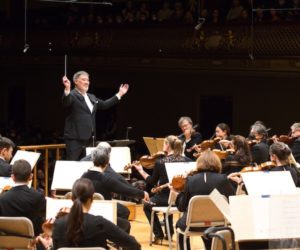
Justin Dello Joio’s Concerto for Piano and Orchestra, written especially for pianist Garrick Ohlsson, creates an emotionally satisfying canvas out of thorny harmonies and astringent lyricism.
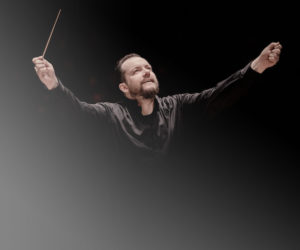
This is a release that showcases many of Andris Nelsons’ strengths, including his strong sensitivity for instrumental colors, blends, and balances. At the same time, it also demonstrates the conductor’s hit-or-miss nature with the core repertoire.
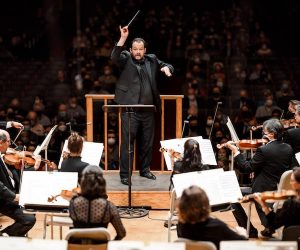
Andris Nelsons’s conception of Strauss’s Tod und Verklärung was impressive, marked by strong contrasts of character, flexibility of phrasing, and a commendable grasp of musical space.
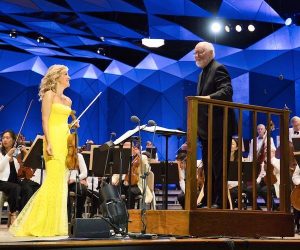
A packed, wide-ranging conversation with violinist Anne-Sophie Mutter that touches on several subjects, from a lifelong love of jazz to her verdict on John Williams’ Violin Concerto no. 2.
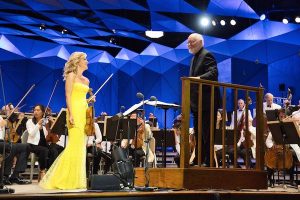
On first impression, John Williams’ second violin concerto didn’t strike me as an instant classic, but there’s more than a little here to warrant repeated listening.
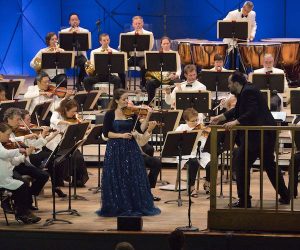
The orchestra’s summer home is operating at reduced capacity this season, but it’s wonderful to have the BSO and its public reunited.
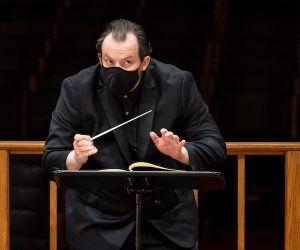
One can only hope that Gail Samuel’s hiring means that the BSO’s welcome-but-fitful efforts at expanding its repertoire and engaging the community of late will become central to its post-pandemic mission.
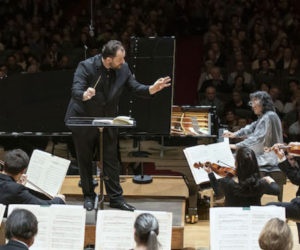
If ever there was a season the BSO needed to put its right foot forward — balancing the core repertory with some strong steps outside of it — this is the one.
Cultural Commentary: Arts Institutions, Unions, and the Pandemic
It behooves audiences to be aware of how workers in the arts organizations they frequent are treated and whether management is operating in good faith.
Read More about Cultural Commentary: Arts Institutions, Unions, and the Pandemic