
Review
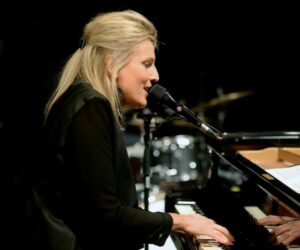
Singer Caroll Vanwelden’s “Shakespeare Revisited” brings a flexible voice and adventurous textures to the sonnets, but its melodies and production too often overwhelm the poetry.
In this ambitious Czech novel, a detective’s inquiry into an apparent suicide becomes a meditation on violence against women, historical memory, and the possibility of joy.
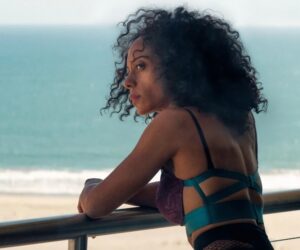
By Neil Giordano A stellar Rosalind Eleazar anchors this sour Hollywood parable, but Chris Rock’s performance and an overstuffed screenplay undermine its bite. Misty Green, written and directed by Chris Rock. Screening at AMC Boston Common 19, Landmark Kendall Square, Alamo Drafthouse Seaport, and AMC Causeway. Depending on your age, you may know Chris Rock…

Rebekah Heller’s new album celebrates the instrument’s power, agility, and surprising expressive breadth.
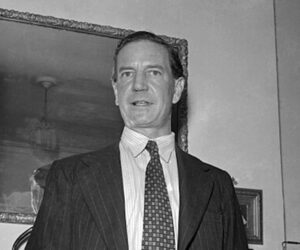
In “Stalin’s Apostles,” Antonia Senior dismantles the mythology of the gentleman spy, exposing the murderous loyalties behind the old school tie.
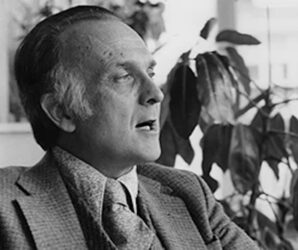
A new anthology gives long-overdue shape to an influential but unjustly forgotten chapter in twentieth-century American poetry.
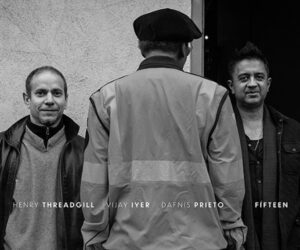
At Harvard, the 82-year-old composer-saxophonist joined Vijay Iyer and Dafnis Prieto for a taut, wide-ranging evening of angular melody, open space, and rhythmic surprise

In Alex Gibney’s exhaustive documentary, Elon Musk emerges as a visionary, a menace, and a man determined to escape the world he has helped imperil.

Ed Perkins’s documentary finds a fascinating story in America’s 2016 creepy-clown craze, then buries it beneath sweeping analogies and frantic editing.
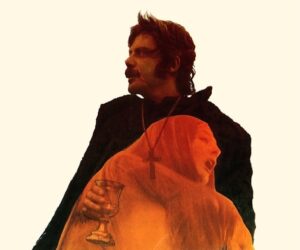
The provocative 1971 study of politics, religion, and sex in medieval France is back on the big screen—with its long-censored footage reinstated.

Recent Comments