
Music
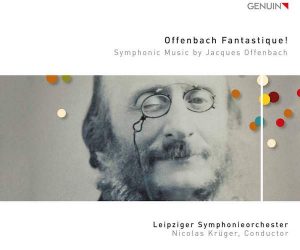
More proof that Offenbach’s is a remarkable body of work; a serviceable, but not particularly notable, Cavalleria rusticana; another installment in the Rossini Project, brilliantly curated, stirringly played and sung, and beautifully recorded.
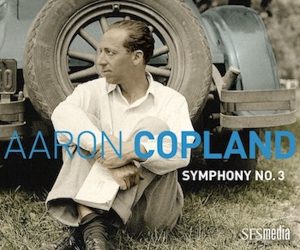
A terrific release showcases the Boston Symphony Orchestra and composer Thomas Adès. Michael Tilson Thomas and the San Francisco Symphony deliver a radiantly honest recording of Aaron Copland’s Symphony 3.
Darkness is pervasive in this Cowboy Junkies album, but it is not all-encompassing.
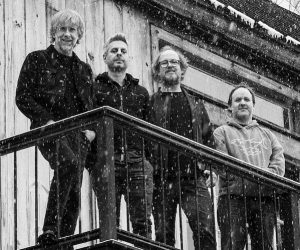
Sigma Oasis is one of Phish’s better albums since the group reunited in 2009 after a five-year breakup.
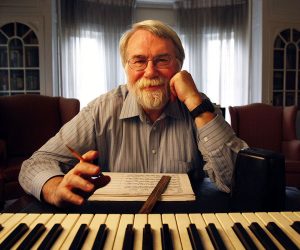
Many of the qualities that mark Penderecki’s best work – exquisite technique, an innate feel for rhythmic athleticism, an ear for dazzling colors and theatrical gestures, an impeccable sense of musical structure, and the affinity for emotional immediacy – are also hallmarks of Rouse’s.

I’d have to give the edge to Dave Liebman in terms of innovative creative reach. But Lakecia Benjamin more than holds her own in how she gives re-vitalizing attention to some very important musical roots.
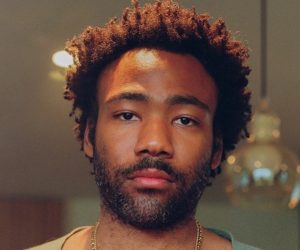
Childish Gambino is hamstrung by ambition, but 3.15.20 still contains a bevy of enjoyable songs, including one or two tracks that brush against brilliance.
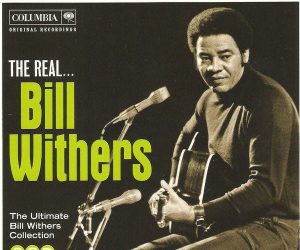
When I think of Bill Withers I think of just three handclaps. It’s my favorite example in his music, or just about anyone else’s, of the power of restraint — not slamming and flailing about to shift a groove into overdrive.
Musicians Aaron Halford and Matty Michna describe their journeys to Boston and ponders their futures beyond The Hub.

Bob Dylan’s new song not only articulates the madness that undermines the American experience, but supplies a certain kind of corrective, a tonic, for that kind of insanity.
Theater Commentary: Live Theater—An Incomparable Art Form