
Books

Jim Windolf’s joint portrait argues that competition between icons did not divide them—it reshaped modern music

From exile to everyday kindness, these picture books trace how belonging is built—through resilience, community, and imagination.

Denise Kiernan’s accessible book restores the often overlooked figures who shaped America’s founding.
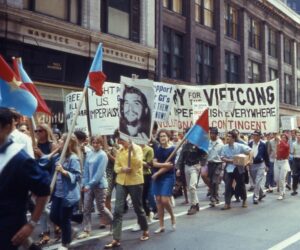
In “1968,” historian Alexander Bloom challenges the clichés of counterculture and reflects on a year of global rupture.
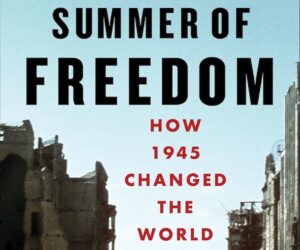
Oliver Hilmes’s “Summer of Freedom” offers vivid snapshots of 1945—but little sense of why the world changed.

Victoria Johnson’s lively biography celebrates Church’s ambition, while overlooking some of the broader shifts that dimmed his legacy.

Claudia Verhoeven’s “Love and Terror” reframes the Manson murders as a cultural narrative shaped by spectacle, ideology, and America’s enduring fascination with charismatic deception.

Historian Mark Peterson’s book makes land the sole driver of American development—ignoring racism, morality, citizenship, and the heart of the Civil War.

Deborah Levy’s playful Parisian fiction delivers vivid reflections on Gertrude Stein but it is in danger of stumbling over its own cleverness.

Dimitri Elias Léger’s novel turns a final moment into a sweeping meditation on love, history, and the Beautiful Game.

Recent Comments