
Books
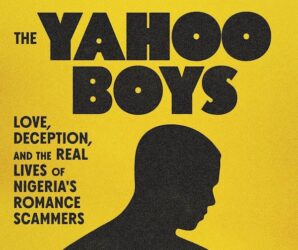
“The Yahoo Boys” dissects a global grift fueled by digital intimacy, economic despair, and willful belief.
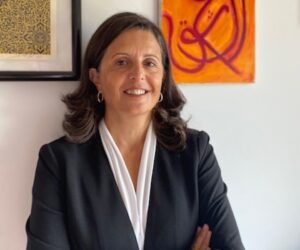
Palestinian scholar Lelia Farsakh reflects on a life shaped by displacement, her father’s legacy, and the political and personal stakes behind her emerging memoir.

Suzy Hansen’s “From Life Itself” traces the human cost of modernization and authoritarianism in a changing city.
Selma Meerbaum-Eisinger’s poetry carries historical weight, but Carlie Hoffman’s translations struggle to convey the formal poise of the originals.

Essayist and memoirist Isaac Fitzgerald follows Johnny Appleseed into a landscape shaped as much by omission and privilege as by history.

Tillie Walden’s “Charity & Sylvia” transforms archival fragments into a resonant portrait of devotion in early 19th-century Vermont.
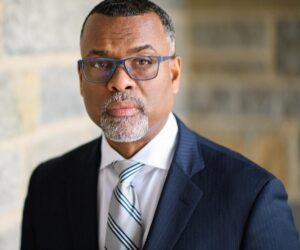
In a sweeping account of the nation’s anniversary milestones, Eddie Glaude Jr. shows how whitewashing and racial exclusion have shaped America’s self-image from 1826 to 2026.

Rebecca Novack’s debut blends murder mystery and social satire in a sly, shape-shifting narrative driven by a sex worker who may be telling us exactly what we want to hear.
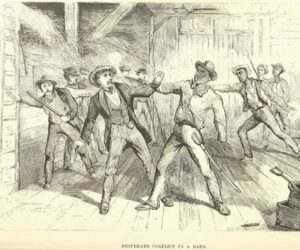
A powerful new book exposes how the fear of Black liberation shaped the American legal order—and how the legacy of the slave patrol endures today.
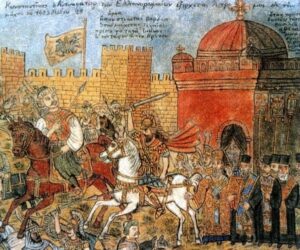
Anthony Kaldellis recasts the fall of Constantinople as a long process of attrition, shaped by strategy, fear, and the limits of Western indifference.
Recent Comments